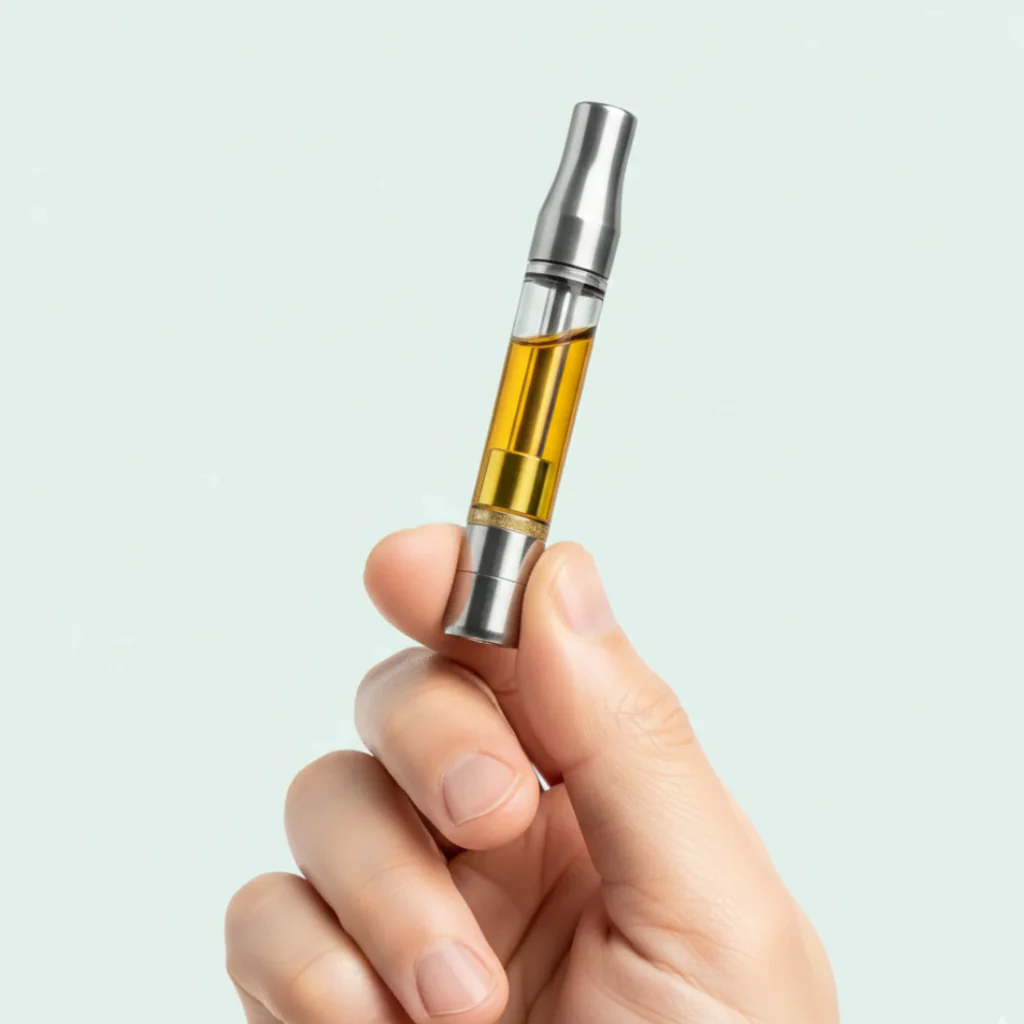
Using pot safely starts with understanding your limits. Learn the essential dosing guidelines, tolerance tips, and safety strategies that keep your experience positive and predictable.
Dosing is where most bad experiences start. Not because people are reckless, but because they don’t know what “the right amount” looks like. And honestly, there’s no universal answer—your ideal dose depends on your tolerance, body chemistry, and what you’re consuming.
But there are guidelines that work for most people. If you’re new to pot or trying a new product, start with 2.5 mg of THC or less. One hit if you’re smoking. A small piece if it’s an edible. This might sound overly cautious, but it’s not. It’s strategic.
You can always take more. You can never take less. That’s the golden rule, and it applies no matter if you’re in Queens, Brooklyn, Manhattan, Nassau County, or Suffolk County. Same-day delivery makes it easy to restock, so there’s no reason to overdo it on your first go.

Edibles are sneaky. You eat a gummy, wait 20 minutes, feel nothing, and think, “Maybe I need more.” So you eat another. Then 40 minutes later, both doses hit at once, and you’re in for a ride you didn’t sign up for.
Here’s why that happens. When you smoke or vape pot, THC enters your bloodstream through your lungs almost immediately. You feel it within minutes. Edibles, on the other hand, have to pass through your digestive system and get metabolized by your liver. That process takes anywhere from 30 minutes to two hours, sometimes longer if you’ve just eaten a big meal.
Once your liver processes THC, it converts it into a compound called 11-Hydroxy-THC, which is significantly more potent than regular THC. That’s why edibles feel stronger and last longer—often four to eight hours compared to two to three hours from smoking.
So what do you do? Wait. Seriously. Set a timer for 90 minutes after your first dose. Don’t take more until that timer goes off. If you still don’t feel anything after two hours, then—and only then—consider a small additional dose. Most people who have bad edible experiences didn’t wait long enough. They doubled down too early and paid for it.
And if you’re ordering same-day delivery in Nassau County, NY, Suffolk County, NY, or anywhere across the NYC area, plan ahead. Don’t wait until you’re already impatient to reorder. Stock up so you’re never tempted to take more than you should just because you’re running low.
You’ll hear “start low, go slow” everywhere in the cannabis world, and there’s a reason for that. It works. It’s not a cliché—it’s a harm-reduction strategy backed by experience and common sense.
Starting low means beginning with the smallest effective dose. For edibles, that’s 2.5 mg of THC or less. For smoking or vaping, it’s one small hit. Wait. See how you feel. Then decide if you want more. This approach gives your body time to respond and gives you control over the experience.
Going slow means spacing out your doses. If you’re smoking, wait at least 15 to 30 minutes between hits. If you’re using edibles, wait at least 90 minutes, ideally two hours. Your body needs time to process what you’ve already consumed. Rushing it doesn’t make the high come faster—it just makes it unpredictable.
This is especially important if you’re new to pot or if you’re trying a new product. Different strains, different THC concentrations, and different consumption methods all affect how you respond. What worked for your friend might be way too much for you. What felt fine last week might hit harder this week if your tolerance has shifted.
And here’s something most people don’t think about: your environment and mindset matter. If you’re stressed, anxious, or in an uncomfortable setting, pot can amplify those feelings. Consuming in a safe, familiar place with people you trust makes a huge difference. Set and setting aren’t just hippie talk—they’re real factors that influence your experience.
If you’re in Brooklyn, Manhattan, Queens, or anywhere in the NYC metro area, you have access to high-quality, lab-tested products with clear labeling. Use that to your advantage. Check the THC content before you consume. Know what you’re taking. And if you’re ever unsure, start with less than you think you need. You can always adjust next time.
Want live answers?
Connect with a Bring Me Weed expert for fast, friendly support.
Tolerance is one of those things nobody warns you about until it’s already a problem. You start with a small amount and feel great. A few weeks later, that same amount barely does anything. So you increase your dose. Then you increase it again. Before long, you’re consuming way more than you intended just to feel the same effects.
This happens because your body adapts to regular THC exposure. Your cannabinoid receptors become less sensitive, and some even decrease in number. It’s called downregulation, and it’s a normal physiological response. The more frequently you use pot, and the higher your doses, the faster your tolerance builds.
The good news? Tolerance isn’t permanent. You can reset it. And you don’t have to quit forever to do it.

A tolerance break—often called a T-break—is exactly what it sounds like. You stop using pot for a set period of time to let your body reset. During that break, your cannabinoid receptors start to recover. They become more sensitive again, and their numbers increase. This process is called upregulation, and it’s how your body restores balance.
How long should a T-break last? It depends on how much you’ve been using. If you’re a daily user, a break of two to four weeks is ideal. That’s enough time for your CB1 receptors to return to near-baseline levels. If you use pot less frequently, a shorter break—maybe a week or two—might be enough to notice a difference.
Research shows that CB1 receptor density can start to normalize after just a few days of abstinence, but full recovery typically takes closer to four weeks. So if you’re serious about resetting your tolerance, aim for at least three weeks. It’s not easy, especially if you rely on pot for symptom relief or relaxation, but the payoff is worth it.
After a tolerance break, you’ll notice that smaller doses feel more effective. You’ll save money because you’re using less product. And you’ll regain some of that magic that fades when tolerance builds. It’s like hitting the reset button on your relationship with pot.
If you’re worried about withdrawal symptoms—irritability, trouble sleeping, decreased appetite—those are real, but they’re temporary. Most people find that symptoms peak within the first few days and then gradually improve. Staying hydrated, staying busy, and leaning on other coping strategies can help you get through it.
And if a full break feels too intense, you can try a dose reduction instead. Gradually lowering your consumption over several weeks can also help reduce tolerance without the abrupt stop. It’s slower, but it’s gentler, especially if you’re using pot for medical reasons.
Paranoia and anxiety are two of the most common complaints people have about pot, and they’re also two of the most preventable. The key is understanding why they happen and what you can do to avoid them.
THC affects a part of your brain called the amygdala, which is responsible for processing fear and anxiety. When you consume too much THC, especially if you’re not used to it, your amygdala can go into overdrive. That’s when you start feeling paranoid, anxious, or like something bad is about to happen even though nothing actually is.
High-THC strains are more likely to cause these effects, especially in people who are sensitive to THC or who don’t have much tolerance. If you’re prone to anxiety, look for products with a balanced THC-to-CBD ratio. CBD has a calming effect and can counteract some of the anxiety-inducing properties of THC. A 1:1 ratio is a good starting point.
Your environment also plays a huge role. Consuming pot in a stressful, unfamiliar, or uncomfortable setting increases your risk of paranoia. So does consuming when you’re already anxious or in a bad mood. Set and setting matter. Choose a safe, familiar place. Surround yourself with people you trust. And don’t use pot to escape a bad situation—it’ll often amplify whatever you’re already feeling.
If paranoia does hit, remind yourself that it’s temporary. It will pass. THC’s effects typically last a few hours, and the intensity fades over time. Find a comfortable spot, take slow, deep breaths, and distract yourself with something calming—music, a favorite show, or just lying down. Some people find that sniffing black pepper or drinking lemon water helps reduce anxiety, though the science on that is still emerging.
And if you find that certain strains or products consistently make you anxious, stop using them. There are plenty of options out there, especially with same-day delivery available across Nassau County, NY, Suffolk County, NY, Queens, Brooklyn, and Manhattan. You don’t have to settle for something that doesn’t work for you.
Knowing your limit isn’t about restricting your experience—it’s about protecting it. When you understand how pot affects your body, when you dose carefully, and when you manage your tolerance, you set yourself up for consistently positive experiences. No surprises. No regrets. Just the benefits you’re looking for.
Start low. Go slow. Wait longer than you think you need to, especially with edibles. Pay attention to your tolerance and take breaks when you notice it creeping up. Choose the right environment and the right products. And if something doesn’t feel right, trust your gut and adjust.
Cannabis can be a powerful tool for relaxation, creativity, symptom relief, and enjoyment. But only if you treat it with the respect it deserves. If you’re in the New York area and looking for reliable, same-day delivery with quality products, we’re here to help you make informed choices and enjoy pot the way it’s meant to be enjoyed—safely, confidently, and on your terms.
Summary:

Share: