Choosing the right cannabis strain isn't about chasing THC percentages. It's about understanding your body, your goals, and what actually works for your daily life.
Forget everything you think you know about indica versus sativa. Those labels tell you how the plant grows, not how it’ll make you feel. The real story is in the chemistry—specifically, cannabinoids and terpenes working together.
Cannabinoids like THC and CBD interact with receptors in your brain and body. THC is what gets you high. CBD doesn’t, but it can smooth out THC’s intensity and add therapeutic benefits. Then there are terpenes—aromatic compounds that give each strain its smell and flavor while also influencing effects.
Here’s the thing most people miss: two strains with identical THC levels can feel completely different because of their terpene profiles. One might energize you, another might knock you out. Your body chemistry matters too. What works for your friend might not work for you, and that’s normal.
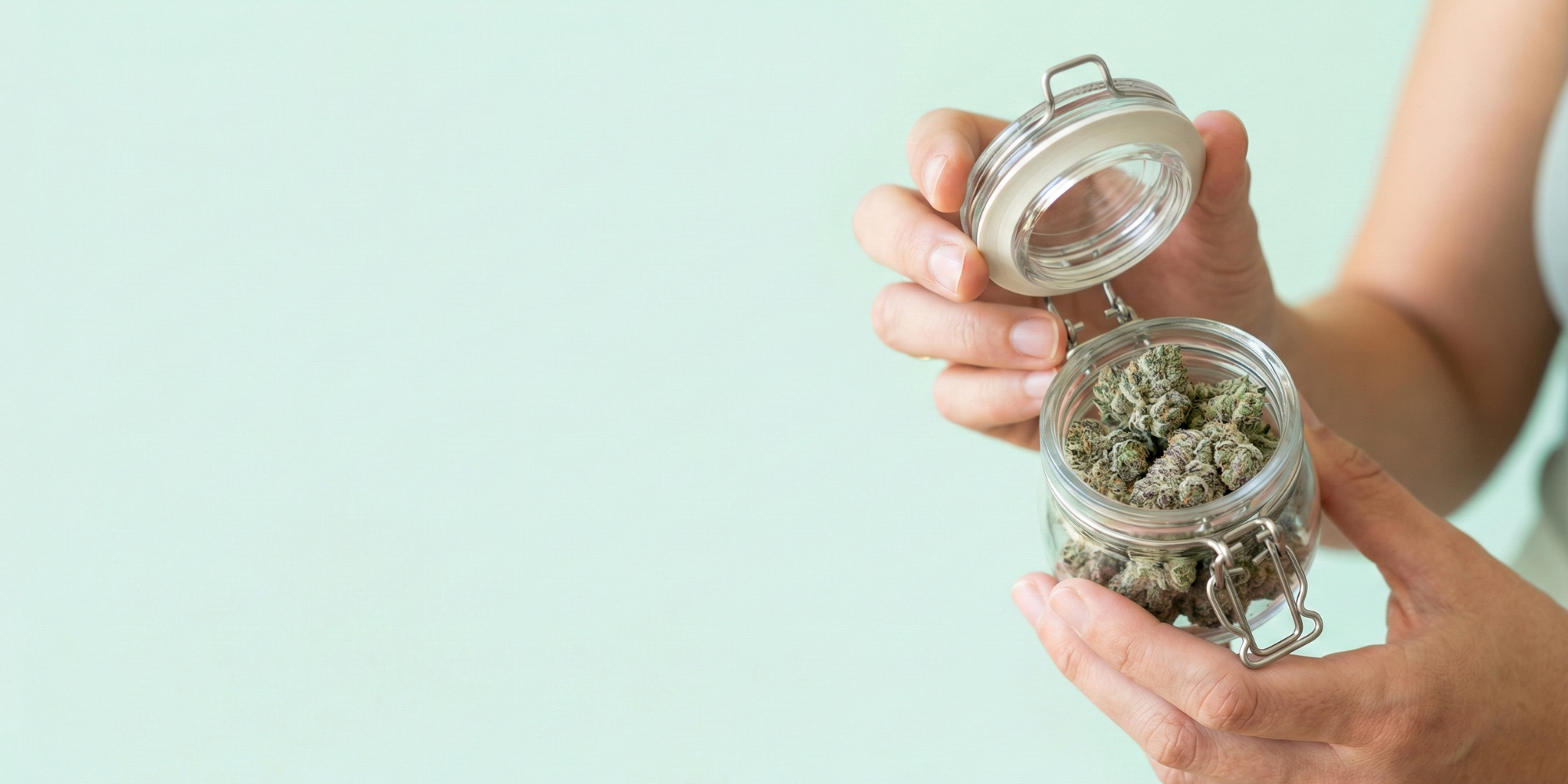
THC activates specific receptors in your brain that temporarily change how information flows and boost dopamine—the neurotransmitter linked to mood and focus. The amount matters, but so does balance. Too much THC without other compounds can lead to anxiety or brain fog.
CBD tempers THC by changing how those same receptors respond. It doesn’t block the high entirely, but it can reduce paranoia, jitteriness, and that overwhelming feeling some people get. Strains with balanced THC-to-CBD ratios tend to keep you functional and clear-headed.
Then terpenes enter the picture. These aren’t just about smell. Research shows certain terpenes can amplify or modify cannabinoid effects. Myrcene, common in many strains, enhances relaxation and can intensify body effects—that’s where “couch-lock” comes from. Limonene, found in citrusy strains, tends to uplift mood without sedation. Pinene may actually help counteract short-term memory issues from THC.
This interaction is called the entourage effect. Everything works together. That’s why looking at the full chemical profile—not just THC percentage—gives you a much better idea of what to expect. It’s also why two strains with the same THC content can feel worlds apart.
When you understand this, you stop playing roulette with strain names and start making informed choices. You look for terpene-rich options. You pay attention to CBD content. You track what works for your body and build from there.
Walk into most dispensaries and you’ll hear it: “Indicas relax you, sativas energize you.” It’s become cannabis shorthand. The problem? It’s not that simple, and relying on it leads to disappointment.
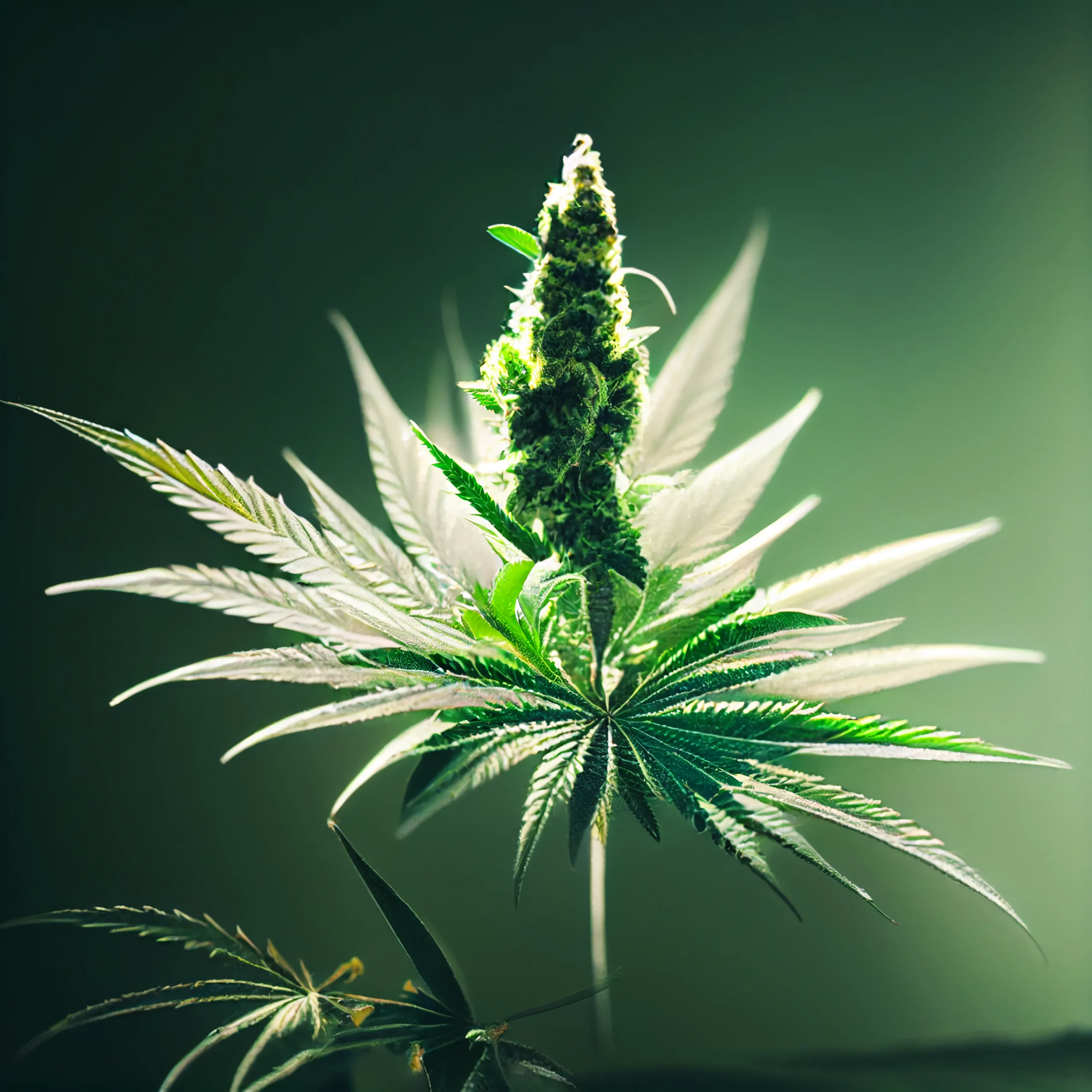
Those terms originally described plant structure and growing patterns. Indica plants are short and bushy. Sativa plants are tall and lanky. That’s useful if you’re a grower. Less useful if you’re trying to predict how you’ll feel after consuming.
Most cannabis available today is a hybrid anyway. Decades of crossbreeding mean pure indicas and sativas are rare. Even when a strain leans one way genetically, its effects depend more on cannabinoid ratios and terpene content than whether it came from an indica or sativa parent.
Here’s what happens when you rely too heavily on these labels: you miss out on strains that could work perfectly for you because they’re “the wrong type.” Or you choose something based on category and get effects you didn’t want. Maybe that indica didn’t help you sleep. Maybe that sativa made you anxious instead of focused.
Your body doesn’t care about botanical classifications. It responds to chemistry. Two people can consume the same “energizing sativa” and have completely different experiences based on their individual body chemistry, tolerance, and even what they ate that day.
This doesn’t mean indica and sativa labels are useless. They can be a starting point, especially if you’re brand new to cannabis. But don’t stop there. Look deeper. Ask about terpenes. Check cannabinoid percentages. Read reviews from people with similar needs. And most importantly, pay attention to how your own body responds.
The goal isn’t to memorize complex chemistry. It’s to recognize that choosing cannabis is personal. What energizes one person might sedate another. The more you understand what’s actually in your product, the better you’ll get at finding what works for you.
Want live answers?
Connect with a Bring Me Weed expert for fast, friendly support.
Cannabis isn’t one-size-fits-all, and neither is your day. What you need at 8 AM on a Tuesday is different from what you want at 9 PM on Saturday. The right strain depends on what you’re actually trying to accomplish.
Are you managing chronic pain but still need to work? Looking for something to help you sleep without grogginess the next morning? Want to improve creativity during a project or just take the edge off stress without losing focus? These are different goals requiring different approaches.
Start by being honest about your priorities. If you need to stay productive, you’re looking for strains that improve focus and energy without overstimulation. If you’re dealing with anxiety, you want something calming that doesn’t put you to sleep. If evening relaxation is the goal, sedation might be exactly what you’re after.
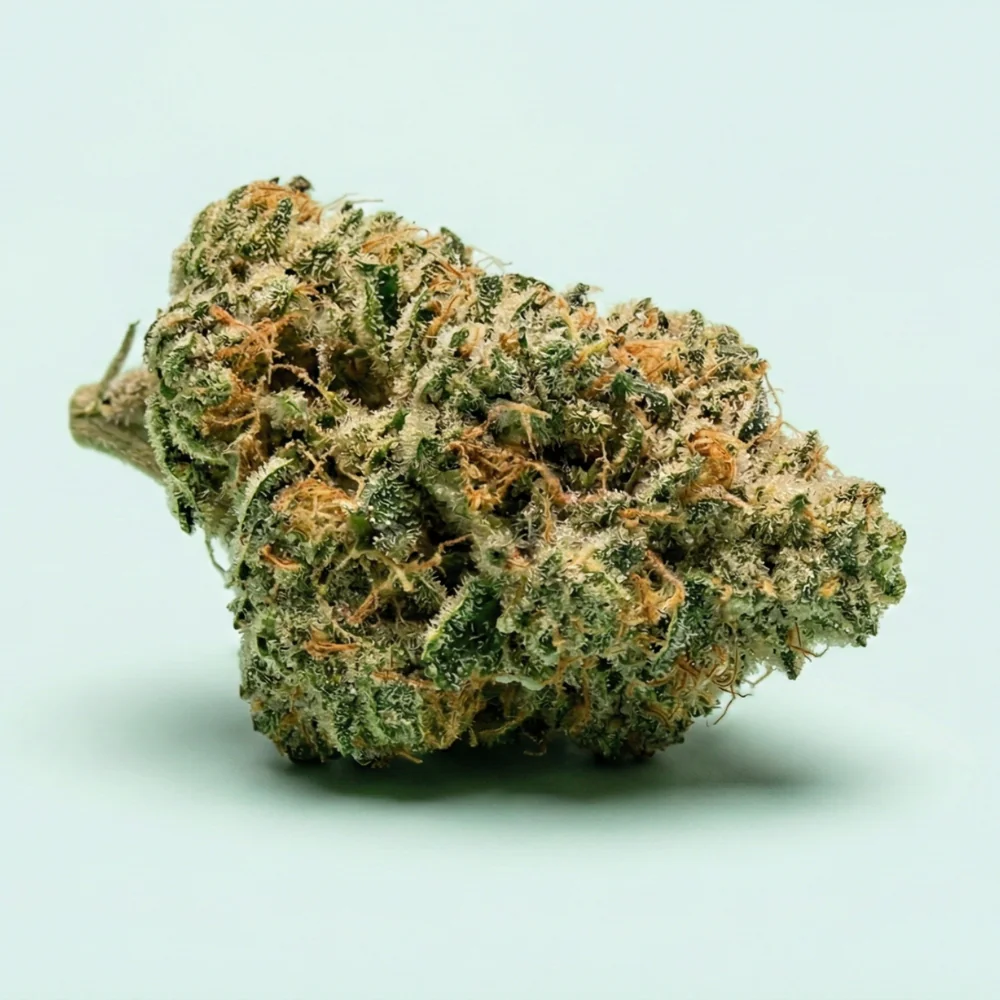
Daytime cannabis use is about balance. You want the benefits—pain relief, stress reduction, boosted creativity—without the fog or fatigue that makes it hard to function. The wrong choice leaves you useless. The right choice can actually improve your day.
Look for strains with moderate THC and some CBD. High THC without balance can scatter your thoughts or trigger anxiety, especially if you’re trying to concentrate. A little CBD smooths the ride and keeps you grounded. Terpenes matter here too. Limonene is your friend for daytime—it lifts mood and promotes mental clarity without drowsiness. Pinene can help with focus and memory. Avoid strains heavy in myrcene if you need to stay alert, since it tends toward sedation.
Sativa-dominant strains often work well for daytime, but remember that’s not a guarantee. Check the actual profile. Some popular daytime options include strains known for clear-headed highs and sustained energy. These tend to have terpene profiles featuring pinene, limonene, and sometimes terpinolene.
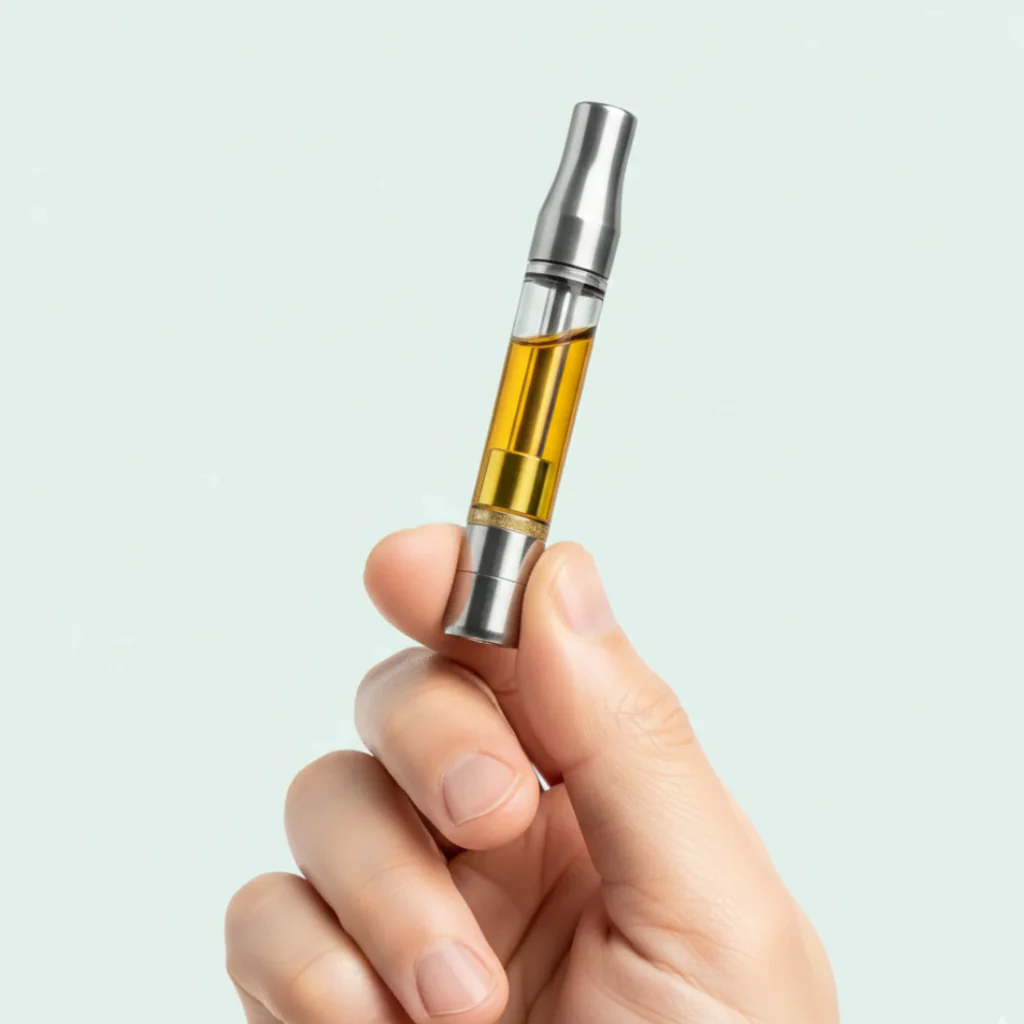
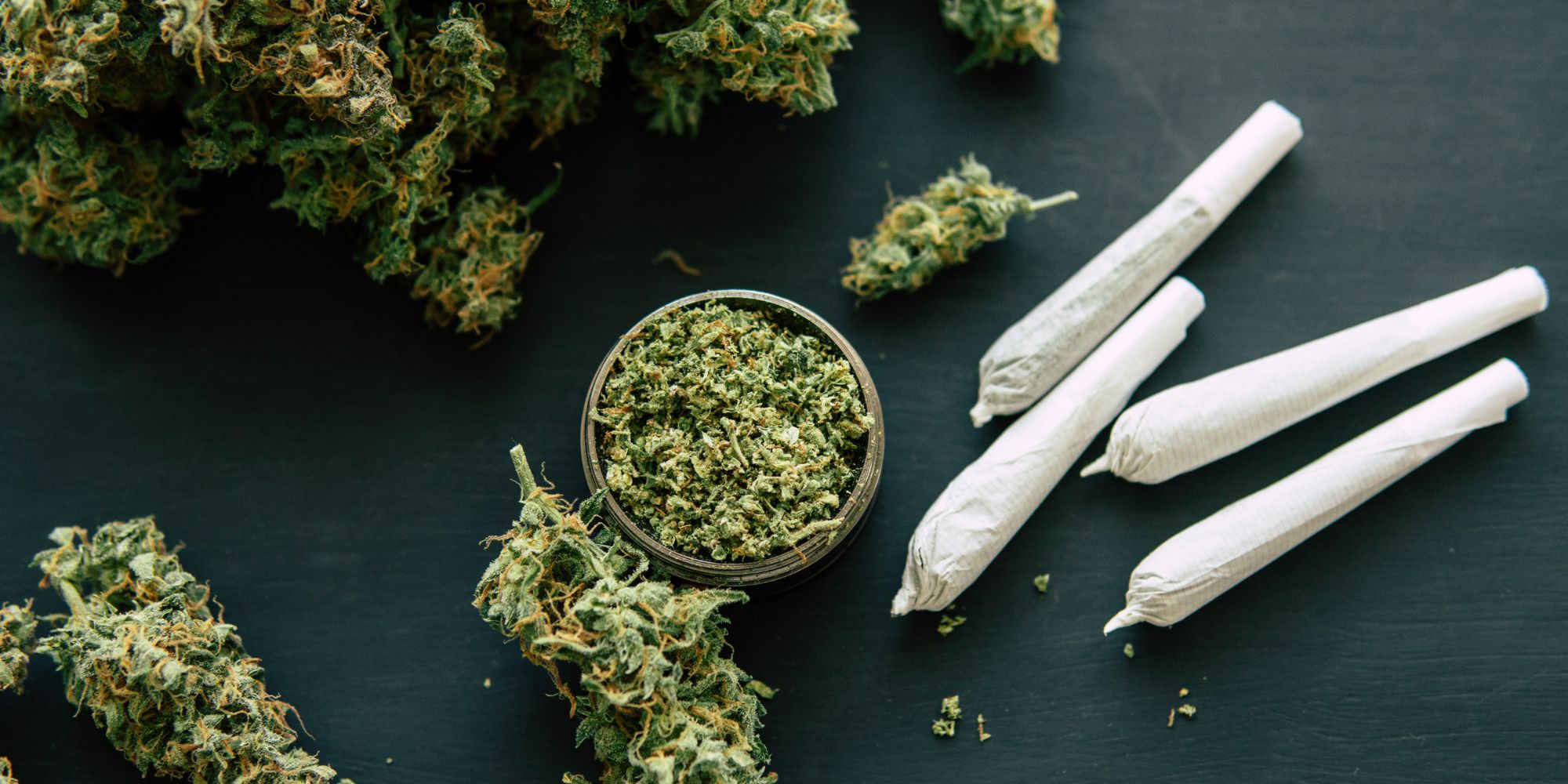
Consumption method matters too. Smoking or vaping hits faster and wears off quicker, giving you more control during work hours. Edibles take longer to kick in and last much longer—great for all-day relief, but harder to dose precisely if you’re new to daytime use.
Start low, especially if you’re consuming during working hours. You can always take more. You can’t take less once it’s in your system. Many people find that microdosing—taking very small amounts throughout the day—provides consistent benefits without impairment.
Pay attention to timing. Consuming first thing in the morning affects you differently than mid-afternoon. Some people find cannabis enhances their morning routine and replaces coffee. Others prefer it later in the day when initial tasks are done. Experiment on days when mistakes won’t matter, so you know what works before relying on it during important commitments.
And here’s something people don’t talk about enough: set and setting matter. Cannabis can enhance whatever you’re already feeling or doing. If you’re stressed about a deadline, even an “energizing” strain might not help. If you’re in a good headspace tackling something you enjoy, the same strain could be perfect. Your mindset and environment play a role in the experience.
End-of-day cannabis use has different requirements. Now you want to unwind, not stay alert. You’re looking for strains that help you transition from the chaos of the day into rest mode. For many people, this means managing pain, quieting racing thoughts, or simply making it easier to fall asleep and stay asleep.
Strains higher in myrcene are your friend here. This terpene is known for promoting body relaxation and sedation—exactly what you want before bed. Linalool, which has a floral aroma, adds calming effects and can reduce anxiety. Caryophyllene offers pain relief without being overly stimulating.
THC content matters, but not in the way you might think. Moderate to high THC can help with sleep, but too much might actually interfere with sleep quality or leave you groggy the next day. Some people find that strains with a bit of CBD alongside THC provide better rest without next-day fog. CBD-dominant strains work well for people who want relaxation and pain relief without significant psychoactive effects.
Indica-dominant strains are popular for evening use, and in this case, the label often holds true. Many indicas have terpene profiles that naturally lean sedative. But again, check the actual chemistry. A hybrid with the right terpene mix might work better for you than a pure indica.
Edibles and tinctures are popular for sleep because their effects last longer. If you wake up in pain or have trouble staying asleep, an edible taken an hour before bed can provide relief through the night. Just be cautious with dosing—edibles hit harder and last longer, so start small until you know how your body responds.
One mistake people make is using the same strain every single night and building tolerance. Your body adapts, and what worked perfectly for weeks suddenly doesn’t. Rotating between two or three strains with similar profiles can help maintain effectiveness. Also, cannabis affects sleep architecture. It might help you fall asleep faster, but heavy daily use can impact REM sleep over time. It’s worth being mindful of that and taking occasional breaks if you’re using cannabis for sleep regularly.
Timing your consumption matters too. Taking it too early means you might be ready for bed before you’ve finished what you need to do. Too late, and you’re lying awake waiting for it to kick in. Most people find their sweet spot is about 30 minutes to an hour before they want to be asleep, depending on consumption method.
Choosing the right strain isn’t about memorizing a list of names or chasing trends. It’s about understanding what’s in your cannabis, how it interacts with your body, and what you actually need it to do. Start with the chemistry—cannabinoids and terpenes—not the label. Pay attention to your own responses. Keep notes if it helps. What worked? What didn’t? When did you consume it, and what were you trying to accomplish?
The more intentional you are, the better your results. You’ll stop wasting money on strains that don’t deliver. You’ll build confidence in your choices. And you’ll actually get the benefits you’re looking for, whether that’s better sleep, less pain, more focus, or just a way to unwind that works for your life.
If you’re in Nassau County, NY, Suffolk County, NY, Queens County, NY, Kings County, NY, or New York County, NY and want access to quality cannabis with transparent information about what you’re getting, we offer delivery that brings the dispensary to you. No guessing, no wasted trips—just straightforward service and products you can count on.
Summary:

Share: