Hear from Our Customers
You shouldn’t have to guess about potency, safety, or whether what you’re buying is even legal. Every product at our licensed pot dispensary in Bohemia comes with a Certificate of Analysis—third-party lab results you can scan right there in the store or at home. That’s THC levels, contaminants, pesticides, all of it.
Unlicensed shops don’t do this. They can’t. And that’s the difference between rolling the dice and making an informed choice.
You also get access to trained staff who actually know the products. Not someone reading off a menu, but budtenders who understand dosing, effects, and how to match what you’re looking for with what’s on the shelf. Whether you’re managing pain, looking to relax, or just exploring options, you’re not walking in blind.
We operate as a fully licensed cannabis dispensary under New York State regulations. That means we’re tracked, tested, and held to standards that unlicensed stores simply ignore.
You’ll see our state-issued decal near the entrance. You’ll find QR codes on every product linking to lab results. And if something’s ever wrong, there’s a system in place—not a closed door and a disconnected number.
We’re here in Bohemia serving Suffolk County residents who want safe access without the runaround. That includes folks in Coram, Deer Park, Farmingdale, East Setauket, and everywhere in between. You’re not driving to the city or risking a shady storefront. You’re shopping local, legal, and transparent.
Start by checking if you’re buying recreational or medical. If you’re 21 or older with a valid ID, you’re good to go for adult-use products. Medical patients will need their New York medical card.
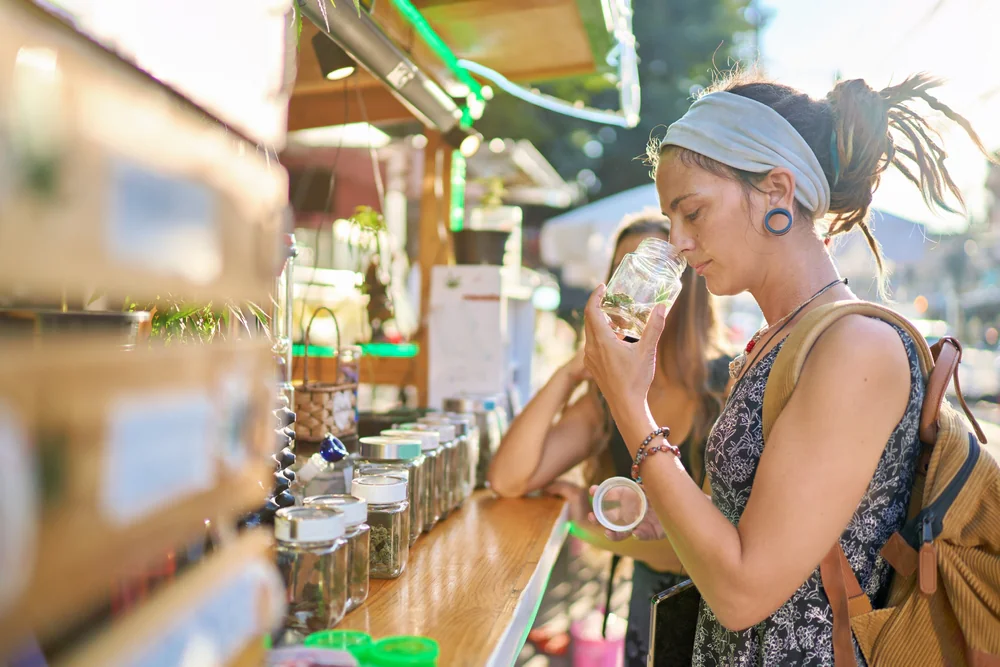
Once you’re inside, a budtender will walk you through the options. Tell them what you’re looking for—pain relief, better sleep, something mellow for the evening—and they’ll point you toward flower, edibles, vapes, or concentrates that fit. You can ask about potency, effects, dosing, whatever. No question is too basic.
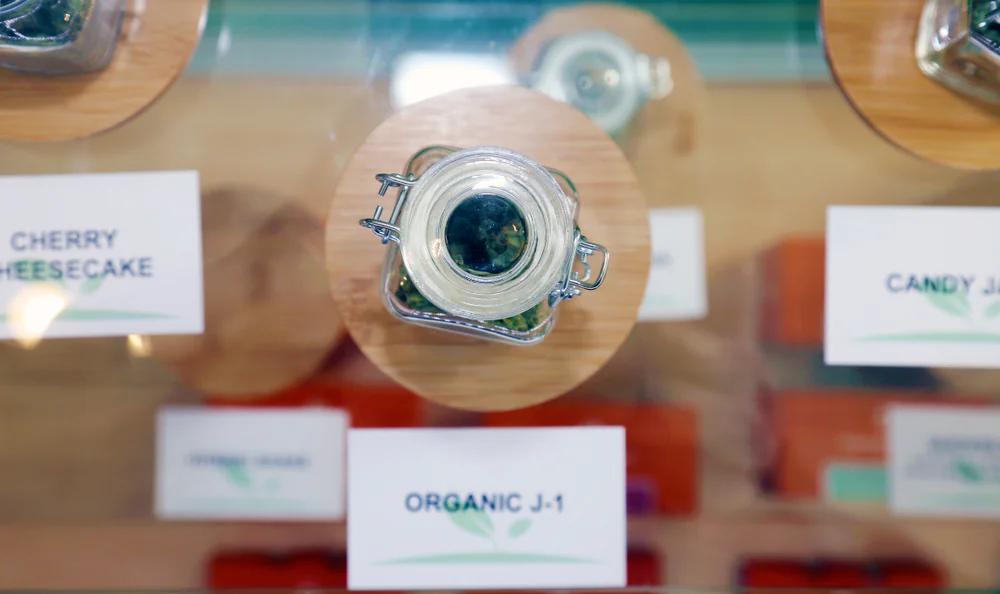
Before you buy, check the product label. You’ll see THC and CBD percentages, along with a QR code or link to the full lab report. Scan it if you want the details. Everything’s tested for pesticides, heavy metals, and microbials before it hits the shelf.
Pay in cash. Most dispensaries in New York still can’t process cards due to federal banking restrictions. Then you’re done. Start low, go slow, and adjust from there.
Ready to get started?
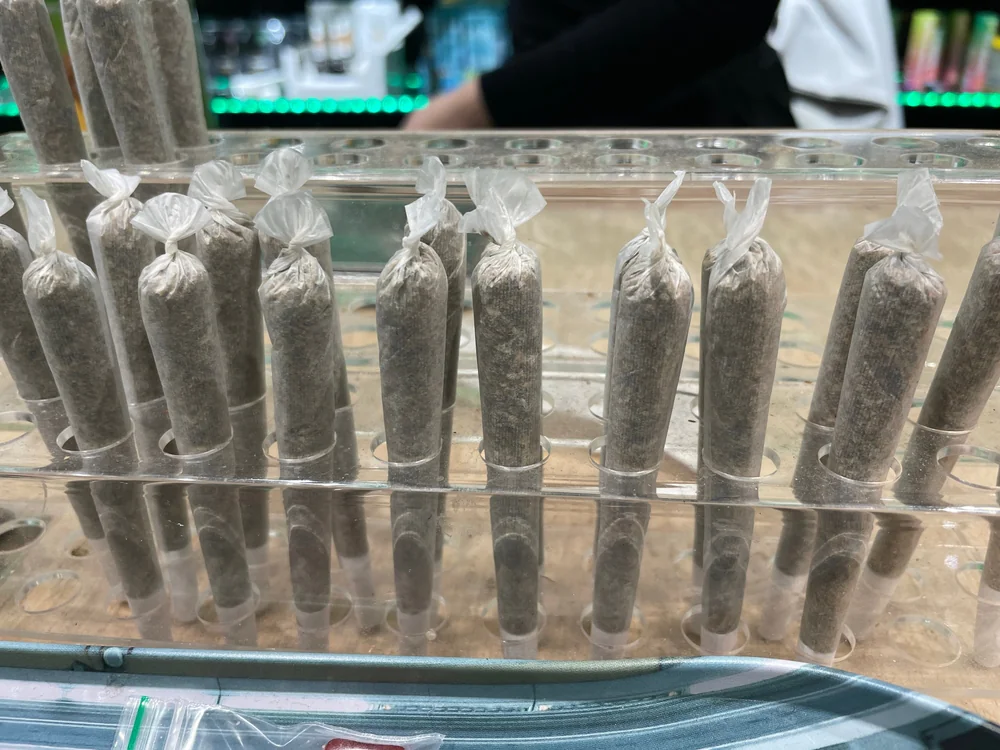
You’ll find a full range of cannabis products depending on what works for your routine. Flower is still the most common choice—73.8% of consumers in New York smoke it. It’s fast-acting, easy to dose once you know your tolerance, and comes in different strains for different effects.
Edibles are next. Gummies, chocolates, baked goods—they take longer to kick in, usually 30 to 90 minutes, but the effects last longer too. If you’re new to edibles, start with 2.5 to 5 mg of THC and wait a full two hours before taking more. Overconsumption is one of the top reasons people end up in the ER, and it’s almost always from edibles.
Vapes and concentrates are growing fast in New York. They’re discreet, portable, and potent. Concentrates can hit 70% THC or higher, so they’re not for beginners. But if you know what you’re doing, they’re efficient and clean.
Topicals are also available for localized relief—creams, balms, patches. They won’t get you high, but they’re useful for pain and inflammation. Every category is lab-tested and labeled with dosing information, so you’re never guessing.
Look for the New York State Licensed Cannabis Dispensary decal near the front entrance. It’s a requirement for every legal shop, and it’s tied to the state’s verification system.
You can also check the product packaging. Licensed dispensaries sell products with a QR code or web link that takes you to the Certificate of Analysis—the lab report showing cannabinoid levels, contaminants, pesticides, and more. If a store can’t show you that, or if the staff gets defensive when you ask, walk out.
Unlicensed stores are everywhere in New York right now. They’re not tested, not tracked, and not safe. Some are selling products with THC levels way higher than labeled. Others have failed for pesticides or heavy metals. You’re not just risking a bad experience—you’re risking your health. Stick with licensed dispensaries like us, or check the state’s online registry before you buy.
Licensed dispensaries are regulated by New York’s Office of Cannabis Management. Every product is tested by a third-party lab before it’s sold. You get accurate labeling, safety screenings, and a paper trail if something goes wrong.
Unlicensed stores have none of that. They’re not inspected. Their products aren’t tested. And there’s no accountability if you get sick, have a bad reaction, or find out the THC content was wildly off. Some unlicensed shops are selling counterfeit packaging filled with who-knows-what.
You also can’t get discounts or loyalty perks at licensed dispensaries in New York—it’s currently against the rules. So if a shop is advertising big sales or buy-one-get-one deals, that’s a red flag. Licensed stores operate within tight margins because of the 13% retail excise tax and 9% distributor tax. If the price seems too good to be true, you’re probably not buying from a legal source.
Not usually. Most dispensaries in New York only accept cash because cannabis is still illegal at the federal level, and banks won’t process transactions tied to it. That means no credit cards, no debit cards in most cases, and definitely no Apple Pay.
Some dispensaries have ATMs on-site, but plan to bring cash. It’s inconvenient, but it’s the reality of the industry right now. Medical cannabis patients face the same issue—even though their purchases are for health reasons, insurance won’t cover it and cards won’t work.
This is one of the structural barriers that keeps cannabis less accessible than it should be, especially for medical patients on fixed incomes. But until federal law changes, cash is king. Just make sure you’re going to a licensed dispensary so your cash is going toward a legitimate, tested product.
Start by talking to a budtender at our licensed cannabis dispensary. Tell them you’re new. They’ll ask about what you’re hoping to get out of it—relaxation, pain relief, help sleeping, whatever—and recommend a product and dose that makes sense.
If you’re smoking or vaping, start with one or two puffs and wait 15 minutes to see how you feel. If you’re trying edibles, start with 2.5 mg of THC, maybe 5 mg if you’ve had alcohol before and know your tolerance. Then wait two hours. Seriously. Edibles take time, and eating more before they kick in is how people end up way too high.
New York’s guidance is “start low and go slow,” and that’s not just a slogan. THC levels in today’s legal products are much higher than they were even five years ago. A little goes a long way. You can always take more next time. You can’t untake what you’ve already consumed. And if you do overdo it, don’t panic—find a safe place, drink water, and ride it out. It will pass.
Yes. Suffolk County has a growing number of licensed cannabis dispensaries, and it’s worth knowing where they are if you’re comparing options or traveling through the area.
In Coram, there’s Simply Green. Deer Park has Long Island Cannabis Club. Over in East Setauket, you’ll find Strong Strains. Farmingdale has a few options including Happy Days, Planet Nugg, and Strain Stars. Farmingville is home to Canna Blooms. If you’re heading east toward Riverhead, Strain Stars has a location there too. Calverton has Beleaf, and Southampton has Brown Budda and Charlie Fox.
All of these are state-licensed and required to meet the same testing and safety standards. If you’re near Bohemia and want to stay local, we’re your closest licensed option. But if you’re already out in another town, you’ve got alternatives that are just as legitimate. Just make sure you’re checking for that state decal and product QR codes before you buy.
Because licensed dispensaries are following the law—and that comes with costs unlicensed stores don’t have. You’re paying a 13% retail excise tax and a 9% distributor excise tax on every product. That’s baked into the price before you even get to the register.
You’re also paying for lab testing, regulatory compliance, staff training, and a supply chain that’s tracked from seed to sale. Unlicensed stores skip all of that. No testing, no taxes, no overhead. They can undercut pricing because they’re operating illegally.
But here’s what you get for that extra cost: safety. You know the THC content is accurate. You know the product was screened for pesticides, mold, and heavy metals. You know it came from a licensed grower, not someone’s garage. And if something goes wrong, there’s a system in place to address it. You’re not just buying weed—you’re buying accountability. That’s worth paying for.