
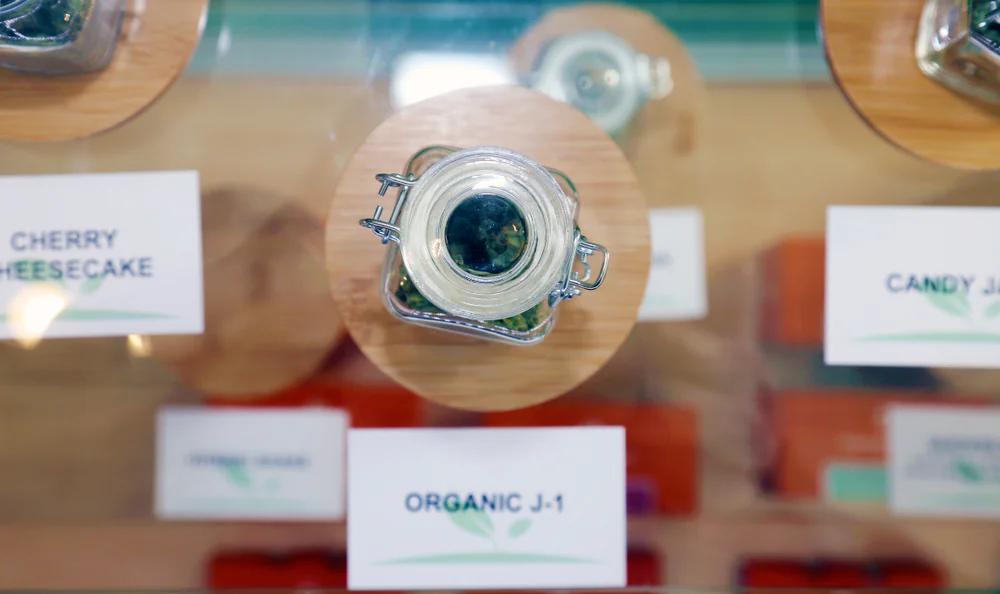
Hear from Our Customers
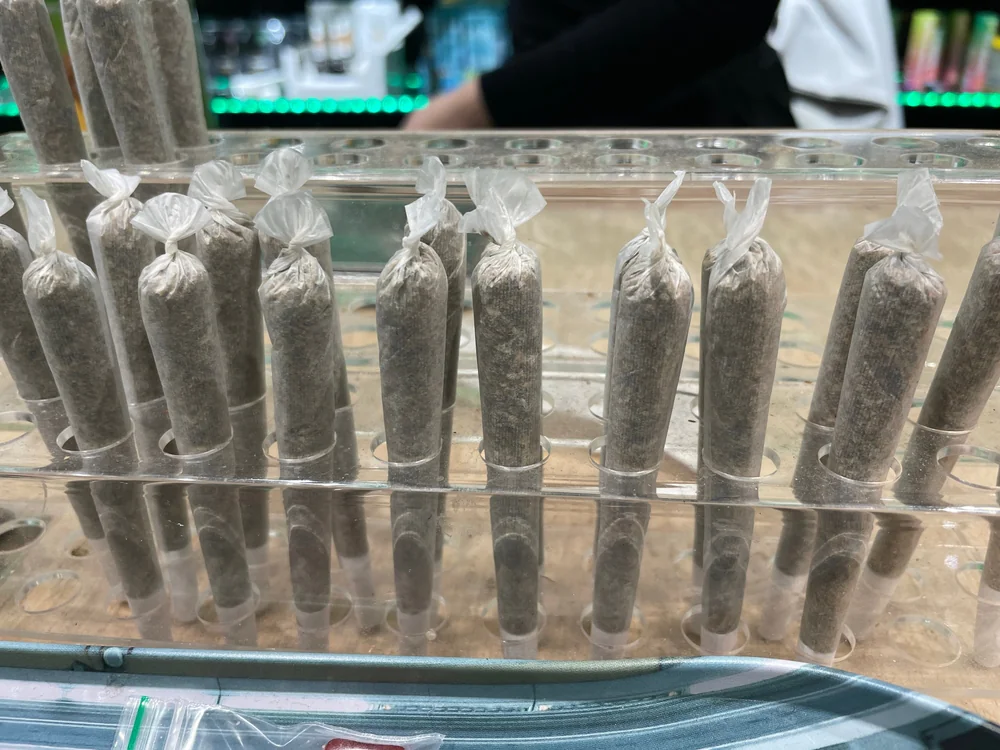
When you shop at a licensed pot dispensary, you’re not just buying cannabis—you’re buying peace of mind. Every product has been tested for pesticides, heavy metals, and accurate THC levels. The packaging tells you exactly what’s inside. The staff can answer your questions without making you feel like you’re bothering them.
Compare that to the illicit market, where you’re gambling on quality, potency, and safety every single time. New York had over 1,400 unlicensed shops operating in 2024, and most of them sold untested products with zero accountability. Legal dispensaries post their state license verification right at the entrance—it’s the difference between knowing what you’re getting and hoping for the best.
You also get variety that actually matters. Flower strains for different effects. Edibles dosed consistently. Vapes that won’t fail after three uses. And if something’s not right, you can return it. Try doing that with a random storefront that might not be there next week.
Long Island has fewer than a dozen licensed recreational dispensaries despite having millions of residents. That’s the reality right now. We exist because navigating New York’s legal cannabis market shouldn’t require a road trip or settling for whatever’s closest.
We connect you with verified, state-licensed dispensaries across Suffolk and Nassau counties—places like Strain Stars in Riverhead, Happy Days in Farmingdale, and Beleaf in Calverton. These aren’t random shops. They’re legal operations that follow New York’s regulations, test their products, and employ trained staff who know the difference between indica and sativa.
If you’re in Riverside or anywhere nearby, you deserve access to quality cannabis without the confusion. We make that easier by showing you where the real dispensaries are and what they carry.

First, you need to be 21 or older with a valid ID. That’s non-negotiable at every licensed dispensary in New York. When you walk in, you’ll see the state’s Dispensary Verification Tool posted near the entrance—that’s your confirmation you’re in the right place.
Once inside, you can browse or ask questions. Most dispensaries have a menu displayed with current inventory, including flower, edibles, vapes, concentrates, and topicals. If you’re not sure what you need, the budtenders can walk you through options based on what you’re looking for—whether that’s help sleeping, managing pain, or just relaxing after work.
You pick what you want, pay at the counter (most places take cash and debit), and leave with properly labeled, tested products. Some dispensaries offer delivery if you’d rather skip the trip. Either way, the process is straightforward once you know where to go. That’s where we come in—we show you the licensed spots so you’re not wasting time on places that shouldn’t be operating in the first place.
Ready to get started?
New York’s legal market focuses heavily on flower, edibles, and vapes—the three categories that make up the majority of sales. If you’re shopping at a licensed cannabis dispensary near Riverside, you’ll find multiple flower strains categorized by effect: energizing sativas, relaxing indicas, and balanced hybrids. Pricing runs higher here than in other states—expect around $31 per item on average—but you’re paying for tested, regulated products.
Edibles are the most popular category in New York, especially among buyers over 50. You’ll see gummies, chocolates, baked goods, and drinks, all labeled with precise THC content per serving. Vapes are the second most common purchase, particularly with younger consumers who want convenience and discretion. Concentrates and topicals are available too, though selection varies by location.
Long Island’s dispensaries are spread across a handful of towns that allow recreational sales. In Suffolk County alone, you’ve got licensed spots in Coram (Simply Green), Deer Park (Long Island Cannabis Club), East Setauket (Strong Strains), Farmingdale (Happy Days, Planet Nugg, Strain Stars), Farmingville (Canna Blooms), Riverhead (Strain Stars), Calverton (Beleaf), and Southampton (Brown Budda, Charlie Fox). That’s more options than most Long Island residents realize—but still not enough to cover every neighborhood, which is why knowing where they are matters.
Look for the Dispensary Verification Tool posted near the main entrance. New York requires every licensed dispensary to display this—it’s a QR code or placard that links to the state’s official registry. If you don’t see it, that’s a red flag.
You can also check the Office of Cannabis Management’s website, which lists all licensed retailers by county and town. As of early 2024, there were only about 85 legal dispensaries statewide compared to over 1,400 unlicensed ones in NYC alone. On Long Island, the legal count is even smaller—fewer than a dozen locations total. If a shop isn’t on the state’s list, it’s not legal, no matter what the signage says.
Don’t assume a storefront is legitimate just because it looks professional or has been open for a while. Enforcement is ramping up, but plenty of illicit operators are still running. Stick with verified dispensaries if you want tested products and legal protection.
New York’s average cannabis item price sits around $31, compared to $18 in California and under $9 in Michigan. That gap comes down to supply, regulation, and market maturity. New York’s legal market only opened in late 2022, so there aren’t enough licensed growers and retailers yet to drive prices down through competition.
Regulatory costs are high here too. Licensing, testing, packaging, and compliance all add up, and those costs get passed to you. On top of that, New Yorkers are willing to pay a premium for legal access—average order values in New York are $123 compared to the national average of $81. That signals demand is outpacing supply, which keeps prices elevated.
As more dispensaries open and the market matures, prices should drop. But for now, you’re paying for legal, tested products in a limited market. If price is your main concern, watch for promotions and loyalty programs at licensed dispensaries—they’re becoming more common as competition increases.
Both options are legal in New York if you’re using a licensed provider, but the experience is different. In-store shopping lets you see products, ask questions, and leave with your purchase immediately. You can compare strains, check lab results, and get recommendations from budtenders who know the inventory. Most New Yorkers still prefer this—only 44% of cannabis orders in the state are for delivery.
Delivery is convenient if you don’t want to travel or if there’s no dispensary close by. Licensed delivery services operate under the same regulations as physical stores, so you’re still getting tested, legal products. You’ll need to show ID when the order arrives, and you’ll usually pay a delivery fee. Turnaround time varies—some services deliver same-day, others take longer depending on demand and location.
The key is making sure you’re ordering from a licensed provider. Unlicensed delivery services exist, and they’re not held to the same standards. If you’re not sure, check the state’s list of licensed retailers and delivery operators before placing an order.
Bring a valid government-issued ID proving you’re 21 or older—you won’t get past the door without it. When you enter, you’ll likely check in at a front desk or waiting area before being allowed into the retail space. This is standard security protocol at most dispensaries.
Once inside, you’ll see a menu board or digital display showing available products, usually organized by category: flower, edibles, vapes, concentrates, topicals. Prices and THC/CBD percentages are listed for each item. If you’re not sure what to get, ask a budtender. They’re trained to help you find products based on your experience level and what effects you’re looking for—energy, relaxation, pain relief, sleep, etc.
You’ll make your selections, pay at the register (cash and debit are most common, credit is rare), and receive your products in sealed, labeled packaging. The whole process usually takes 10 to 20 minutes depending on how busy it is. It’s more like visiting a pharmacy than a typical retail store—professional, straightforward, and focused on helping you find what works.
Edibles are easier to dose but harder to control once they kick in. They take 30 minutes to two hours to feel, and the effects last longer—sometimes four to six hours. If you take too much, you’re stuck riding it out. Start with 2.5 to 5 mg of THC and wait at least two hours before taking more. That’s the standard advice, and it’s worth following.
Flower gives you more control because the effects hit within minutes and wear off faster—usually two to three hours. You can take one or two puffs, see how you feel, and stop if it’s enough. The downside is that smoking or vaping isn’t for everyone, especially if you have respiratory issues or just don’t like the idea of inhaling anything.
For true beginners, low-dose edibles or a mild hybrid flower strain are your safest bets. Talk to the budtender about your experience level and what you’re hoping to feel. They’ll steer you toward something appropriate instead of handing you the strongest product on the shelf. And whatever you choose, start low and go slow—you can always take more next time, but you can’t undo taking too much.
Yes, but it might not benefit you much anymore. New York’s recreational dispensaries carry many of the same products available at medical dispensaries, and the selection is often better at rec shops since the market has expanded quickly. Medical cardholders do get a slight tax break—recreational cannabis is taxed at 13%, while medical purchases are exempt from that state tax.
If saving on taxes matters to you and you already have a medical card, it’s worth using. But if you don’t have one and you’re debating whether to get it, the advantage isn’t as significant as it used to be. Recreational access is legal, widely available, and doesn’t require a doctor’s visit or state registration.
The one area where a medical card still helps is product limits. Medical patients can purchase more in a single transaction than recreational customers, though most people won’t hit those limits in normal use. If you’re a heavy consumer or need high-potency products for a specific condition, keeping your medical card makes sense. Otherwise, recreational access is simpler and nearly as cost-effective.