Hear from Our Customers
Most storefronts selling cannabis on Long Island aren’t licensed. That’s not speculation—it’s documented fact. The majority operate outside state regulations, which means no lab testing, no quality control, and no accountability if something goes wrong.
When you buy from a local weed dispensary in Babylon that’s actually licensed, you’re getting products that passed ISO-certified lab testing. Every item comes with a Certificate of Analysis you can scan with your phone. You see cannabinoid levels, contaminant screening, and batch verification before you buy.
That’s not extra. That’s baseline. And in a market flooded with unregulated shops, it matters more than price.
Babylon is one of only four townships in Suffolk County that allow legal cannabis sales. That’s not because other towns are behind the times—it’s because opening a licensed dispensary requires serious infrastructure, compliance systems, and community investment.
We operate in Babylon because this town made space for legal, regulated cannabis. We’re positioned on the Route 110 corridor, serving customers from Nassau and Suffolk counties who want access to safe products without driving to Queens or Brooklyn.
You’re not walking into a pop-up. You’re walking into a licensed operation that had to meet state standards before opening the doors.
You’ll need a valid ID showing you’re 21 or older. Recreational cannabis is legal in New York, but age verification is non-negotiable. Bring cash or a debit card—credit cards aren’t an option due to federal banking restrictions.
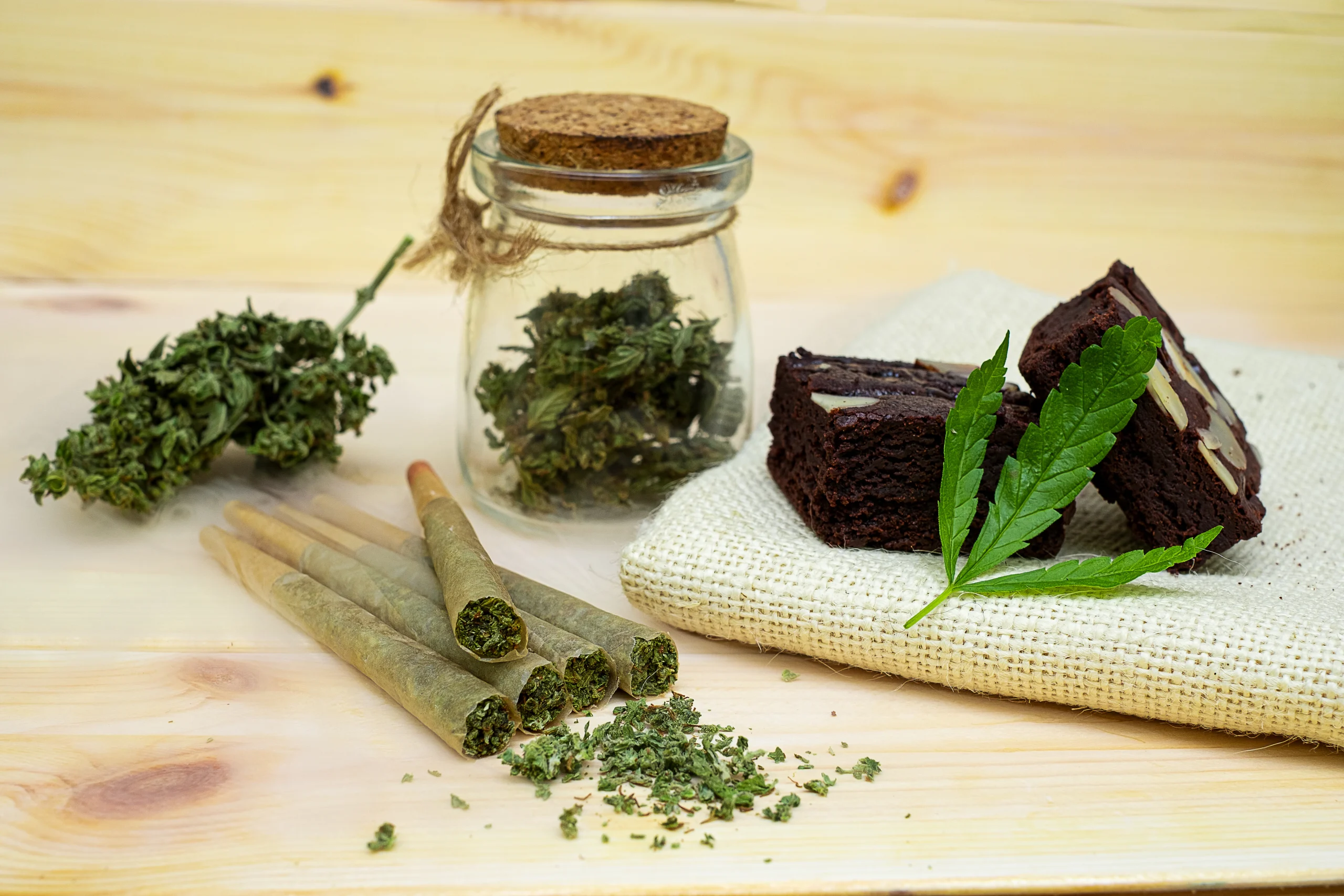
Once you’re inside, you’ll see a full weed dispensary menu with flower, edibles, vapes, concentrates, and pre-rolls. If you’re new to cannabis or haven’t bought legally before, our staff can walk you through potency levels, consumption methods, and dosing. That’s not upselling—it’s harm reduction.
Every product has a QR code linking to its Certificate of Analysis. You can verify THC and CBD percentages, check for contaminants, and confirm the product matches what’s on the label. After you purchase, you leave with legal cannabis in state-compliant packaging.
No guessing. No risk. No wondering if what you bought is actually what you’re consuming.
Ready to get started?
Flower still makes up about 45% of sales, but most customers are buying more than just pre-rolls. Vapes, edibles, and concentrates are growing fast—especially among people who don’t want to smoke or need discreet consumption options.
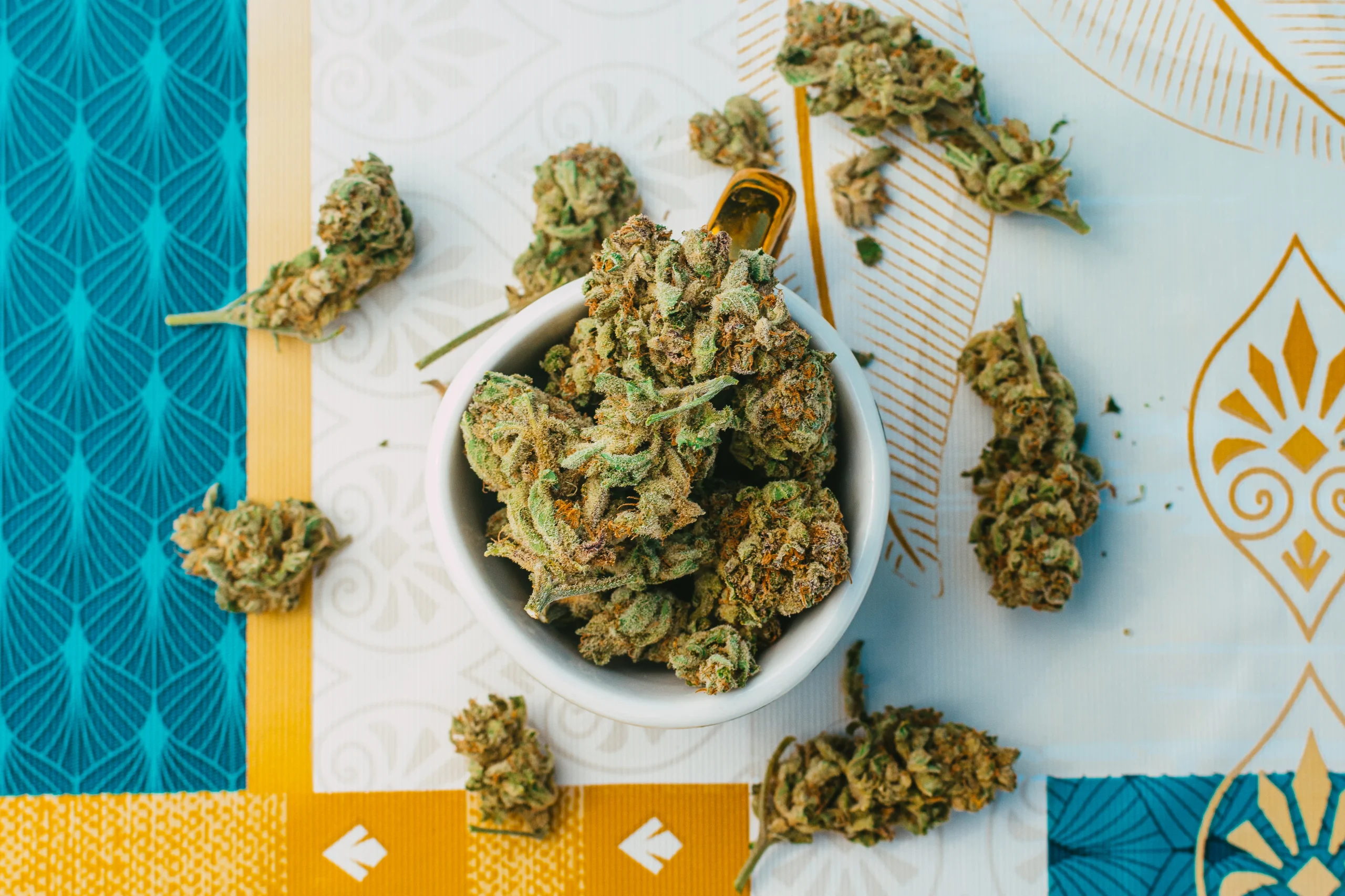
You’ll find 3.5-gram packages (the most common purchase size), along with larger quantities if you’re stocking up. Edibles come in multiple flavors and dosages, and every product includes clear labeling so you know exactly what you’re taking.
Our weed dispensary deals rotate based on inventory and demand, but the baseline expectation is the same: lab-tested products with verified potency. If you’re comparing prices with unlicensed shops, remember that cheaper often means untested. You’re not just paying for cannabis—you’re paying for accountability.
Licensed dispensaries in Babylon are generating over a million dollars weekly because people would rather pay a bit more for products they can trust. That’s the market speaking.
Check for New York State’s universal cannabis symbol and ask to see their license verification. Every legal dispensary is required to display this information publicly, and you can cross-reference it with the state’s online registry.
If a shop won’t show proof of licensing or doesn’t have the state symbol visible, walk out. There are far more unlicensed storefronts than legal ones, and Google searches won’t filter them for you. The difference isn’t just paperwork—it’s whether the products on the shelf have been tested for pesticides, heavy metals, and accurate THC levels.
Licensed dispensaries also follow strict packaging and labeling rules. If you’re buying something in a generic bag with a handwritten label, that’s a red flag. Legal products come in child-resistant, tamper-evident packaging with batch numbers and lab test QR codes.
A licensed dispensary passed state inspections, maintains compliance with testing and labeling laws, and operates under regulatory oversight. A “weed store” might just be a storefront selling untested products with no accountability.
The gap is bigger than it sounds. Licensed dispensaries source from state-approved cultivators and manufacturers who follow strict quality standards. Every product batch gets tested by ISO-certified labs before it hits shelves. You’re buying cannabis that’s been screened for contaminants and verified for potency.
Unlicensed shops don’t have those requirements. They might sell products that look legitimate, but there’s no way to verify what’s inside. Some have been found selling cannabis with dangerous pesticide levels or mislabeled THC content. The risk isn’t theoretical—it’s documented.
We post our menu online so you can browse products, check potency levels, and compare options before you come in. That’s standard practice now—68% of cannabis consumers expect to see an online menu before visiting.
You’ll typically find product categories like flower, edibles, vapes, concentrates, and pre-rolls, along with THC and CBD percentages for each item. We also list terpene profiles if you’re looking for specific effects or flavors.
If a shop doesn’t have an accessible menu or won’t share product details before you visit, that’s worth questioning. Transparency is part of operating legally. You shouldn’t have to walk in blind or feel pressured to buy something without knowing what’s available.
Prices vary based on product type and potency, but expect to pay more than you would on the illicit market. That premium covers lab testing, regulatory compliance, and quality assurance—things unlicensed sellers skip entirely.
A 3.5-gram package of flower typically runs between $40 and $70 depending on THC levels and brand. Edibles range from $15 to $50 based on dosage and quantity. Vapes and concentrates tend to be higher-priced but offer more controlled dosing and longer shelf life.
Legal dispensaries in Babylon also collect a 3% municipal tax on top of state taxes, which funds local programs and infrastructure. You’re paying more upfront, but you’re getting verified products and supporting a regulated market. The alternative is cheaper cannabis with zero accountability—and that’s a gamble most people regret.
No. Recreational cannabis is legal in New York for anyone 21 and older. You just need a valid government-issued ID to prove your age.
Medical cardholders do get some advantages, including access to higher-potency products and potential tax exemptions, but recreational customers can buy the same core product categories. The main difference is dosage limits and product selection—medical patients often have access to specialized formulations that aren’t available on the recreational side.
If you’re using cannabis for chronic pain, anxiety, or insomnia, a medical card might be worth exploring. But if you’re buying recreationally and just want safe, tested products, you don’t need anything beyond proof of age and a payment method.
Over 700 municipalities in New York opted out of allowing cannabis dispensaries, and most of Long Island falls into that category. Babylon is one of only four townships in Suffolk County that voted to allow legal sales, which is why you’re seeing such limited options.
It’s not a supply issue—it’s a zoning and political issue. Towns that opted out cited concerns about regulation, enforcement, and community impact. The result is a massive gap between demand and legal access, which is why unlicensed shops have flooded the market.
Babylon’s decision to allow dispensaries gives residents legal access without driving to New York City. It also means the town collects tax revenue from cannabis sales, which funds local services. But the limited number of licensed locations means competition is tight, and customers are traveling from across Long Island to access legal products.