Hear from Our Customers
You’re not just buying weed. You’re getting products that passed third-party lab testing for potency and contaminants. You’re walking into a space where someone can actually answer your questions about dosing, effects, and what works for pain or sleep without guessing.
That matters because unregulated products have sent people to the ER with rapid heart rate, vomiting, and hallucinations. The stuff sold at unlicensed shops doesn’t come with Certificates of Analysis. It doesn’t get tested. You have no idea what’s in it.
Here, you know what you’re getting. Every product has been verified by New York’s Office of Cannabis Management. Every strain, every edible, every vape cartridge comes with transparent lab results. You’re not rolling the dice on your health or your wallet.
East Farmingdale isn’t just convenient. It’s one of the only places on Long Island where you can legally buy recreational cannabis. Only four towns voted to allow sales, and zoning restrictions pushed most dispensaries into industrial areas like this one.
That’s why you’ll find Happy Days, Planet Nugg, and Strain Stars all operating in the 11735 zip code. We serve this area because it’s where Long Island residents from Nassau and Suffolk counties can actually access licensed products without driving an hour or crossing into Queens.
We’re here because the demand is real and the legal options are limited. You shouldn’t have to settle for illegal shops or drive across county lines to find safe cannabis.
You can visit in person or order online for delivery. If you come in, you’ll check in at the front, show your ID to confirm you’re 21 or older, and then browse or ask questions. Our budtenders are trained to help you find what works without upselling you on products you don’t need.
If you’re managing chronic pain, we’ll walk you through flower strains, edibles, or topicals that other customers use for the same issue. If you’re new to cannabis, we’ll start with low-dose options and explain how long effects take to kick in. If you want something specific, we’ll check inventory and show you lab results.
You pay with cash, debit, or CanPay. We don’t accept credit cards yet because federal banking laws still restrict cannabis transactions. You’ll get a receipt, product packaging with all the legal labels, and clear instructions on dosing and storage.
If you order online, we’ll confirm your delivery address falls within our service area and give you an estimated arrival window. Same product access, same lab-tested quality, same transparency.
Ready to get started?
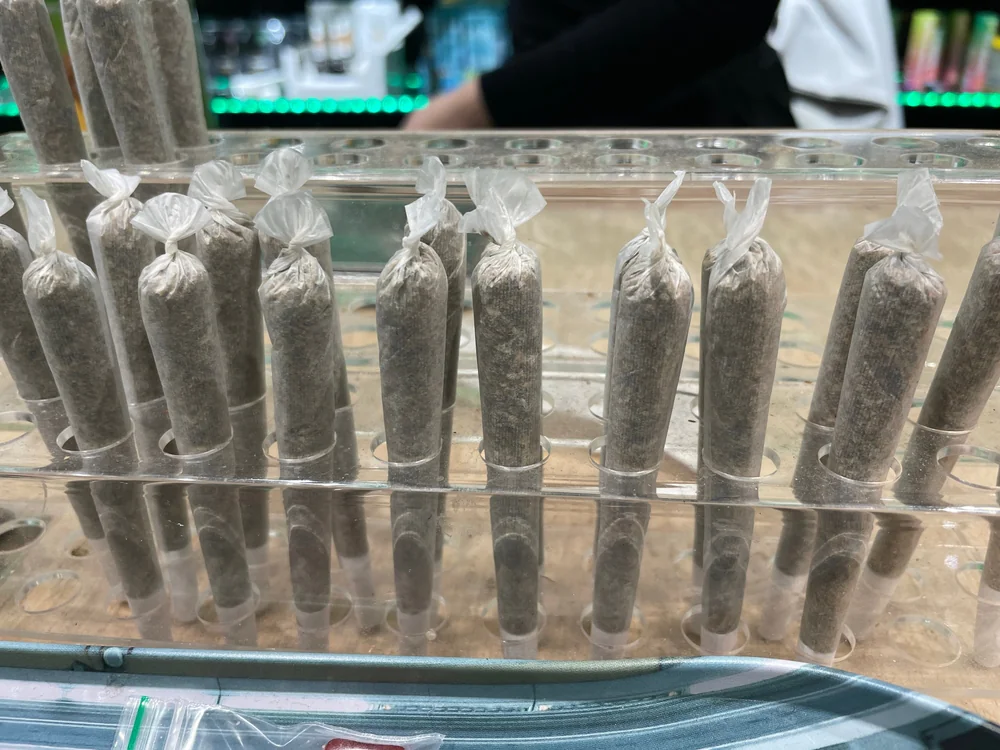
You’ll find cannabis flower, pre-rolls, vapes, edibles, concentrates, and topicals. Flower makes up about 35% of sales across New York because people want control over dosing and effects. Vapes are second at 27%, and pre-rolls are third at 17%. We stock all three because different people prefer different methods.
Pricing in New York runs higher than states with mature markets. The average item costs around $31, driven by limited supply and high regulatory costs. We’re not the cheapest option, and that’s because legal cannabis costs more to produce safely. You’re paying for lab testing, compliance, and products that won’t land you in the hospital.
East Farmingdale sits in a unique position on Long Island. If you’re in Nassau County, there are zero retail marijuana stores. You’re driving to border areas like ours. If you’re in Suffolk, your options include Simply Green in Coram (11727), Long Island Cannabis Club in Deer Park (11729), Strong Strains in East Setauket (11733), Canna Blooms in Farmingville (11738), Strain Stars in Riverhead (11901), Beleaf in Calverton (11933), and Brown Budda or Charlie Fox in Southampton (11968). That’s it. That’s the full list of licensed dispensaries across both counties.
We’re not trying to be the flashiest or the cheapest. We’re trying to be the clearest and the most reliable when you need cannabis that actually works.
Check if they’re listed on the New York Office of Cannabis Management’s dispensary verification tool. Every legal dispensary has a license number you can look up. If they’re not on that list, they’re operating illegally.
Illegal dispensaries vastly outnumber legal ones in New York. They don’t test products, don’t follow safety standards, and often sell cannabis with unknown potency or contaminants. Some have been linked to hospitalizations from synthetic additives or pesticides.
You can also look for visible licensing information in the store. Legal dispensaries display their OCM license and keep Certificates of Analysis available for customers. If a shop refuses to show you lab results or doesn’t have a license posted, walk out.
Medical cannabis requires a certification from a registered New York practitioner. You’ll register with the state, get a medical card, and then access dispensaries that serve medical patients. Medical products sometimes come in higher potencies and may have different tax rates.
Recreational cannabis just requires you to be 21 or older with a valid ID. You don’t need a doctor’s note or a medical card. You walk in, buy what you want, and leave. The selection is similar, but medical patients often get access to higher-dose edibles or specific formulations.
About 54.5% of cannabis users in New York use it recreationally, 30.5% use it for both medical and recreational reasons, and 15% use it only for medical purposes. If you’re managing chronic pain, anxiety, or sleep disorders, you might benefit from a medical card, but it’s not required to buy cannabis legally.
Because legal cannabis gets tested, regulated, and taxed. Every product goes through third-party labs to verify potency and screen for pesticides, heavy metals, mold, and other contaminants. That costs money. Then there’s state licensing fees, compliance costs, and taxes that illegal sellers don’t pay.
Street cannabis might be cheaper, but you have no idea what’s in it. You don’t know if it was grown with banned pesticides, if it’s the strain the dealer claims, or if it’s been cut with synthetic cannabinoids. People have ended up in the ER from unregulated products.
New York’s average item price is $31.49, which is higher than states like Colorado or California where the market’s been legal longer. Prices will likely drop as more growers get licensed and supply increases, but right now, you’re paying for safety and transparency.
You can get delivery if you’re within our service area. Most licensed dispensaries in New York offer delivery because about 82% of cannabis customers search for dispensaries on their phones, often while they’re out and ready to buy.
Delivery works the same as in-store purchases. You’ll need to show ID to confirm you’re 21+, and the driver will verify your age when they arrive. You’ll pay the same prices, get the same lab-tested products, and receive the same packaging with legal labels and dosing information.
Some people prefer delivery for privacy or convenience. Others like visiting in person to ask questions and see products before buying. Both options give you access to the same inventory and the same level of service. Just keep in mind that delivery fees may apply depending on your location.
Check the THC and CBD percentages first. THC is what gets you high; CBD offers therapeutic benefits without intoxication. If you’re new to cannabis, start with lower THC products (under 15%) to avoid overwhelming effects.
Then look at the contaminant testing. The Certificate of Analysis should show results for pesticides, heavy metals, residual solvents, mold, and microbials. Everything should come back as “pass” or “not detected.” If any contaminants show up above state limits, don’t buy it.
Some COAs also list terpenes, which are compounds that affect flavor and effects. Myrcene tends to be relaxing, limonene is uplifting, and pinene can help with focus. You don’t need to memorize them, but if you find a product you like, noting the terpene profile can help you find similar options later.
Over 70% of New York’s early medical cannabis patients used it for chronic pain management. Flower and edibles tend to be the most popular options because they offer longer-lasting effects than vapes.
For pain, many people use indica-dominant strains or high-CBD products. Edibles take longer to kick in (30 to 90 minutes), but effects last four to six hours. That makes them useful for all-day pain management. Topicals work for localized pain without any intoxication.
For sleep, indica strains with higher THC and terpenes like myrcene or linalool are common choices. Edibles are popular here too because the longer duration helps you stay asleep through the night. Start with a low dose (2.5 to 5 mg of THC) and wait at least two hours before taking more. You can always take more next time, but you can’t undo taking too much.
Other Services we provide in East Farmingdale