Hear from Our Customers
Here’s what matters: you want cannabis that’s lab-tested, legally compliant, and sold by people who know what they’re talking about. Not some sketchy storefront that might not be there next month.
Long Island’s legal market is still new. Only four towns opted in—Brookhaven, Islip, Southampton, and Riverhead—which means your options are limited but growing. That also means the illegal shops are everywhere, and they’re not playing by the same rules.
When you buy from a licensed dispensary, you’re getting products that passed state testing for potency, contaminants, and consistency. You’re also getting staff who’ve been trained on strain differences, consumption methods, and what actually works for different needs. Whether you’re looking for relief from chronic pain, help with sleep, or just a way to unwind after work, the right product makes all the difference.
We’re not a dispensary—we’re a resource. We help you find licensed cannabis stores across Long Island, compare what they carry, and figure out which one fits your needs.
Medford sits in Brookhaven, one of the few towns that said yes to legal cannabis. That puts you within driving distance of several licensed spots, including Simply Green in Coram, Canna Blooms in Farmingville, and Strong Strains in East Setauket. Over in Farmingdale, you’ve got Happy Days, Planet Nugg, and Strain Stars all in one area.
We keep track of who’s open, what they stock, and how to reach them. No guessing. No wasted trips.
Start by checking which dispensaries are closest to you. If you’re in or around Medford, you’re looking at Brookhaven-licensed locations first. Simply Green in Coram is nearby. Canna Blooms in Farmingville is another option. Both are fully licensed and carry a range of flower, edibles, vapes, and pre-rolls.
Once you know where to go, check their hours. Most dispensaries are open daily, typically 9 AM to 9 PM, with slightly shorter hours on Sundays. Some accept debit cards, but cash is still common, so plan accordingly.
When you arrive, bring a valid government-issued ID proving you’re 21 or older. No medical card needed—this is recreational access. Staff will ask what you’re looking for, and if you’re new to cannabis, they’ll walk you through strain types, effects, and dosing. If you’re experienced, they can point you toward specific terpene profiles or small-batch options.
Ready to get started?
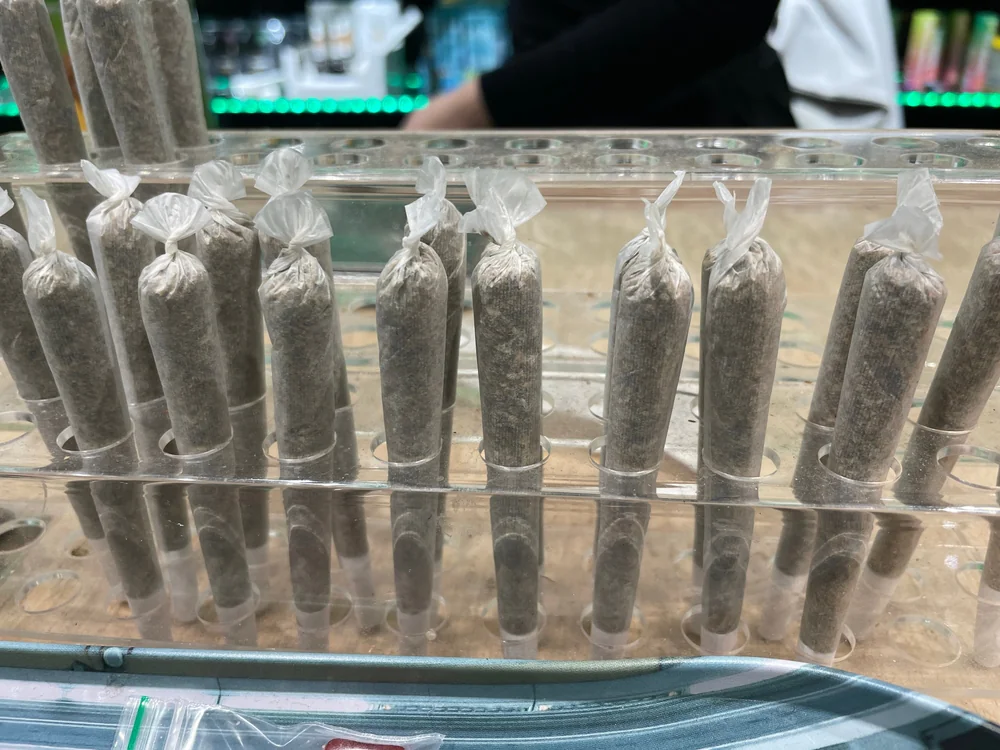
Licensed dispensaries in the Medford area carry a curated selection of New York-grown cannabis. That includes flower in various strains—sativa for energy and focus, indica for relaxation and sleep, and hybrids that balance both. You’ll also find pre-rolls if you want something ready to go.
Edibles are popular for anyone who doesn’t want to smoke. They’re precisely dosed, so you know exactly how much THC you’re getting. Vapes are another smoke-free option—discreet, portable, and easy to control. Some locations also carry tinctures, topicals, and concentrates, depending on their inventory.
Long Island’s legal market is expanding fast. By the end of 2024, New York had 260 operational dispensaries statewide, with 368 licensed as of April 2025. Sales are approaching $1.5 billion, and more locations are opening across Nassau and Suffolk counties. That means more variety, more competition, and better access for you.
If you’re in Medford and willing to drive a bit, you’ve got access to dispensaries in Deer Park (Long Island Cannabis Club), Riverhead (Strain Stars), Calverton (Beleaf), and Southampton (Brown Budda, Charlie Fox). Each one has its own vibe and product focus, so it’s worth exploring a few to see what fits.
Sativa strains are known for uplifting, energizing effects. People use them during the day when they want to stay productive, creative, or social. If you’re looking for focus or a mood boost, sativa is usually the move.
Indica strains are the opposite—relaxing, calming, and often used at night. They’re popular for managing pain, anxiety, or insomnia. If you want to unwind or get better sleep, indica is typically what you’d reach for.
Hybrids are a mix of both. They’re bred to balance the effects of sativa and indica, so you get a little of each. Some hybrids lean more toward one side, so it’s worth asking staff which way a particular strain tilts. Most dispensaries label their products clearly, and budtenders can explain what to expect from each one.
No. New York legalized recreational cannabis, so anyone 21 or older can buy from a licensed dispensary with just a valid ID. You don’t need a medical marijuana card unless you’re specifically looking for medical-only products or want access to higher potency limits.
Recreational dispensaries carry the same quality products—lab-tested, state-compliant, and sold by trained staff. The main difference is that medical cardholders sometimes get access to different product types or tax benefits, but for most people, recreational access is all you need.
Just bring your driver’s license, passport, or state ID when you visit. Staff will check it at the door, and then you’re free to browse and ask questions.
New York requires all licensed dispensaries to display a verification tool near their main entrance. It’s a QR code or sign that links to the state’s official registry. If you don’t see it, that’s a red flag.
You can also check the dispensary’s license status online through New York’s Office of Cannabis Management. Licensed shops are listed by name and location, so you can verify before you go.
Illegal dispensaries are still common on Long Island, especially in towns that opted out of the legal program. They’re not subject to testing, quality control, or any real oversight. That means you have no idea what’s in the product, how strong it is, or whether it’s safe. Stick with licensed locations, and you won’t have to guess.
Most dispensaries accept cash and debit cards. Credit cards are still rare because cannabis is federally illegal, which makes it hard for dispensaries to work with traditional credit card processors. Some locations have ATMs on-site if you need to withdraw cash.
Debit transactions usually work like an ATM withdrawal—your purchase amount is rounded up, and you get change back in cash. It’s a workaround, but it gets the job done. American Express typically isn’t accepted, so if that’s your main card, bring a Visa or Mastercard debit instead.
If you’re planning to visit a dispensary for the first time, it’s smart to call ahead and confirm what payment options they take. Policies can vary by location, and it’s better to know before you get there.
Return policies vary by dispensary, but most offer a 7-day return window for defective products. That means if your vape doesn’t work, your edibles are stale, or your flower is dried out, you can bring it back with your receipt and get a replacement or refund.
If you just don’t like the effects of a product, that’s usually not covered. Cannabis affects everyone differently, so dispensaries can’t take back opened products just because they didn’t hit the way you expected. That’s why it’s worth talking to staff before you buy—they can help you choose something that matches what you’re looking for.
Some dispensaries are more flexible than others, especially if you’re a regular customer. If you have an issue, just ask. Most places want you to come back, so they’ll work with you if the problem is legitimate.
It depends on what you’re looking for. Simply Green in Coram is close and carries a solid range of flower, edibles, and vapes. Canna Blooms in Farmingville is another nearby option with a good reputation for product quality and knowledgeable staff.
If you’re willing to drive a bit farther, Farmingdale has three dispensaries in one area—Happy Days, Planet Nugg, and Strain Stars—so you can compare options in one trip. Strong Strains in East Setauket is also worth checking out if you’re after small-batch flower or specific terpene profiles.
Selection changes based on inventory, so it’s smart to call ahead or check online menus if you’re looking for something specific. Most dispensaries update their stock regularly, and staff can tell you what’s new or what’s selling fast.