Sleep Soundly: Choosing The Right Cannabis Strains For Restful Nights In Rego Park, Forest Hills & Queens County, NY
Not all cannabis helps you sleep. Here is how to pick the right strain, and why the sleep challenges facing Queens and Long Island residents make this more relevant than you think.
Queens residents average six hours and forty-two minutes of sleep per night. That is below the minimum health experts recommend, and if you live near Queens Boulevard, the Long Island Expressway, or anywhere along the LIRR corridor in Nassau or Suffolk County, you probably already know why. The traffic does not stop. The building noise carries. The commute takes something out of you that a few hours of restless sleep does not give back.
If you have thought about using cannabis to help, you are not alone. And if you have tried it before without much luck, there is a good reason for that. It almost certainly had nothing to do with cannabis itself.
Why Cannabis For Sleep Does Not Always Work And What Changes When You Choose The Right Strain
Here is what most people do not know: cannabis affects sleep very differently depending on the strain. A high-THC sativa can keep you awake because it stimulates the central nervous system, increases dopamine, and can inhibit melatonin production. If you tried cannabis for sleep once and felt more anxious or wired than relaxed, there is a solid chance you had the wrong strain for the job.
The good news is that this is a fixable problem. Indica-dominant strains work through an entirely different mechanism. They engage the parasympathetic nervous system, which is the part of your body responsible for rest and recovery, lowering heart rate and encouraging muscular relaxation. Pair that with the right terpene profile, and you have something that can shorten the time it takes to fall asleep and help you stay there longer.
What Are Terpenes And Why Do They Matter More Than Indica vs. Sativa?
Most people start with the indica versus sativa distinction, and it is a reasonable place to begin. However, stopping there is like choosing a wine based only on its color. The real nuance and the real results come from terpenes.
Terpenes are the aromatic compounds that give cannabis strains their distinct smell and flavor. They also play a significant role in how a strain affects your body and mind. For sleep specifically, three terpenes consistently rise to the top.
Myrcene is the one you are looking for first. It is earthy and musky, and it is the most abundant terpene in cannabis overall. When a strain contains more than 0.5% myrcene, it tends to produce deep, heavy relaxation that makes sleep feel like the obvious next step. Most of the well-known sleep strains, like Granddaddy Purple, Northern Lights, and Bubba Kush, have high myrcene content.
Linalool is the second terpene worth knowing. It is the same compound found in lavender, and the research on its calming properties is solid. It reduces anxiety and promotes relaxation without the heavy sedation of myrcene alone. If your sleep problem is more about a racing mind than a restless body, linalool-forward strains can be especially useful.
Caryophyllene rounds out the trio. It is peppery and spicy, and it is the only terpene known to interact directly with the body's endocannabinoid system in a way that reduces inflammation and anxiety. For people whose sleep issues are tied to chronic pain or stress, both extremely common in a commuter-heavy area like Forest Hills or Rego Park, caryophyllene can make a noticeable difference.
The reason these three terpenes matter so much is something researchers call the entourage effect. Cannabinoids and terpenes do not work in isolation; they work together. A full-spectrum product with THC, CBN, and high myrcene will consistently outperform a CBN isolate product, even if the isolate has more CBN on paper. The whole package matters.
CBN, THC, And CBD: Which Cannabinoids Help You Sleep?
If you have been looking into cannabis for sleep, you have probably come across CBN, or Cannabinol. It has been marketed heavily as a sleep cannabinoid, and there is real science behind that reputation. CBN forms when THC ages and degrades, and it produces a narcotic-like sedative effect that is distinct from the psychoactive high of THC. It is not going to get you high, but it can help your body settle into deep rest.
THC plays a different role. It primarily helps you fall asleep faster, which researchers call reducing sleep latency. For people who lie awake for an hour before their brain finally quiets down, THC does real work. The important caveat is dosing. Starting at five to ten milligrams is the right approach. Higher doses do not produce better sleep; they often produce the opposite, triggering anxiety or a racing heart that keeps you up longer.
CBD's contribution is more about staying asleep. It promotes a steady relaxation response and moderates the intensity of THC, which is part of why balanced THC-CBD strains feel smoother and more manageable for sleep than high-THC-only products. If you have ever had a bad experience with cannabis that felt overwhelming, a product with meaningful CBD content would likely have felt very different.
One thing worth knowing honestly: daily cannabis use for sleep can build tolerance over time, and some people experience sleep disruption if they stop abruptly. Using cannabis for sleep three or four nights a week rather than every night is a practical approach that keeps it effective without dependency creeping in.
Specific strains worth trying: Granddaddy Purple is one of the most consistently recommended for sleep, offering high myrcene, deep relaxation, and wide availability. Northern Lights, Bubba Kush, and Tahoe OG Kush are all solid options for the same reasons. If you are newer to cannabis or returning after a bad experience, Bubba Kush tends to be forgiving because it is calming without being overwhelming.
Find a licensed dispensary near you.
Licensed dispensaries across NYC & Long Island, with ratings, directions and phone numbers in one place.
Navigating Cannabis Resources For Sleep In Rego Park, Forest Hills & Across Queens And Long Island
Knowing which strain you want is one thing, but researching where to find it without adding another errand to your day is another. Bring Me Weed operates as a comprehensive directory and resource platform rather than a dispensary, delivery service, or retailer. We publish cannabis brand lists, event calendars, educational blogs, and newsletters to help you navigate options across Rego Park, Forest Hills, and throughout Queens County, Kings County, Manhattan, Nassau County, and Suffolk County.
What Makes Licensed Dispensaries And Brand Lists Different From Unregulated Sources?
New York's cannabis market has grown fast, with over 500 licensed dispensaries operating statewide and the legal market generating significant retail sales. However, understanding the difference between licensed providers and unlicensed alternatives matters immensely, especially regarding product safety and testing.
Licensed operators ensure that products come from licensed cultivators and manufacturers. Every product is tested by a third-party lab before reaching shelves, and test results, known as certificates of analysis or COAs, are accessible via QR codes on packaging. This allows you to verify exact THC percentages, CBD levels, and terpene profiles, while confirming the product is free of pesticides, heavy metals, and mold. With an unregulated seller, you are taking an unknown risk regarding what is in the package.
Bring Me Weed connects users with reliable choices by forwarding you straight to licensed dispensaries and verified brand options. For Forest Hills residents especially, discretion and legitimacy are expected. Local brick-and-mortar storefronts, such as Token Cannabis Dispensary, also offer wonderful in-person environments to explore products and speak directly with knowledgeable staff.
Flower, Edibles, Or Vapes: Which Format Works Best For Sleep?
The strain matters, but so does the format you choose, and the answer depends on which part of sleep is giving you trouble.
If your problem is falling asleep because you lie down and your brain will not stop, flower or a vape gives you the fastest onset. Effects typically arrive within minutes, which means you can use it right before bed and feel the difference before you finish your wind-down routine. For Rego Park residents who get home late after a long commute through Midtown and need to decompress quickly, this is often the most practical option.
If your problem is staying asleep because you fall asleep fine but wake up at two or three in the morning and cannot get back down, edibles are worth considering. They take longer to kick in, usually thirty to sixty minutes, so you would want to take them before you start getting ready for bed. The payoff is duration, as edibles typically provide six to eight hours of sustained effect. That is meaningful for sleep maintenance issues, which are among the most common complaints for people dealing with chronic sleep disruption.
Tinctures sit somewhere in between, acting faster than edibles and lasting longer than flower. They are also easy to dose precisely, which matters if you are still figuring out your optimal amount.
One practical note: whatever format you choose, start on the lower end of the dosing range. Five to ten milligrams of THC is a reasonable starting point for sleep. It is much easier to adjust upward from a gentle dose than to recover from one that pushes your anxiety in the wrong direction. The goal is relaxation, not intensity, and the right strain at the right dose gets you there smoothly.
Across Nassau County and Suffolk County, where LIRR commuters deal with some of the longest transit times in the metro area, sleep debt is real and compounds over time. A thoughtful, consistent approach to cannabis education, including finding the right strain, format, and dose, can make a genuine difference in how you feel the next morning.
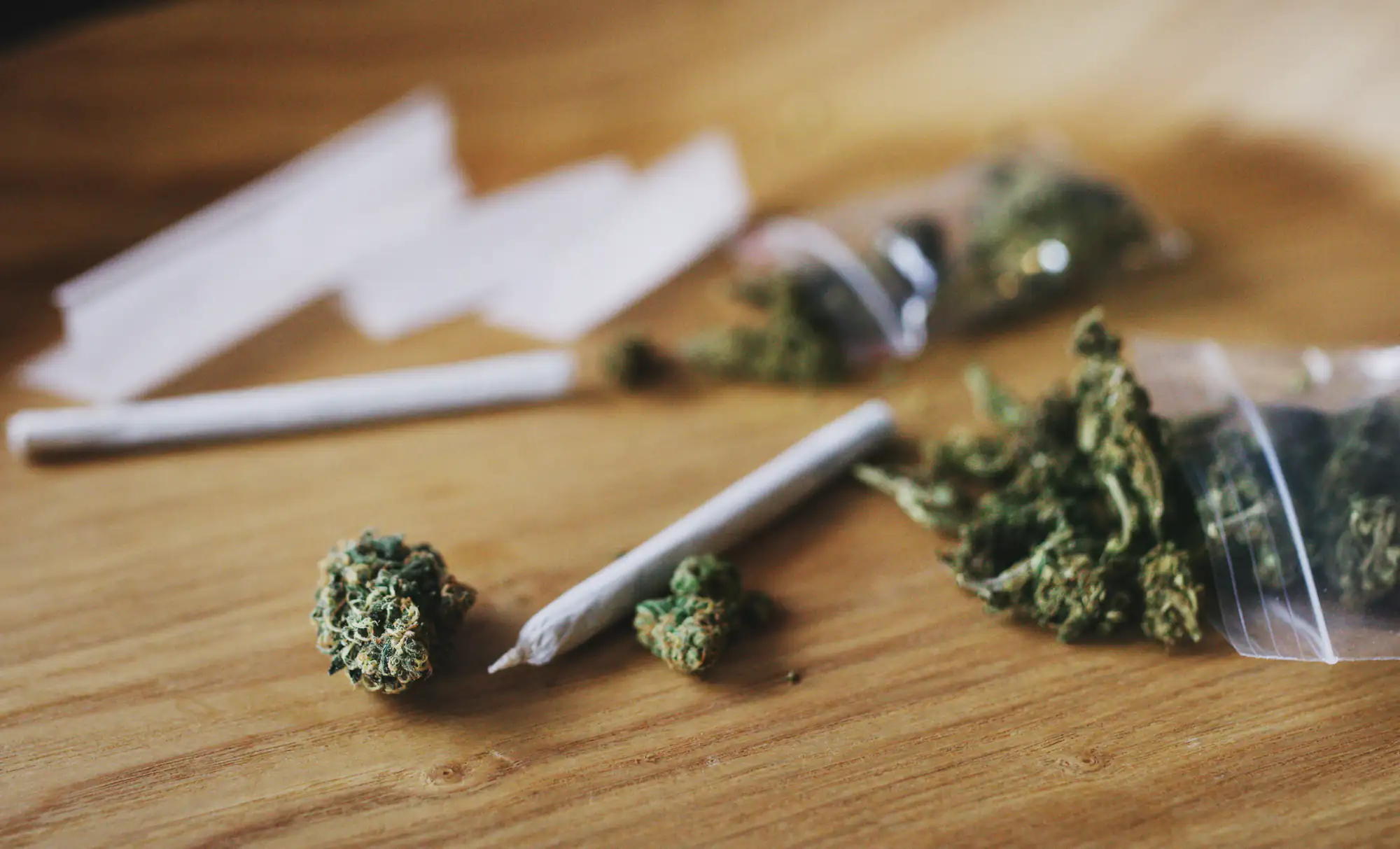
Finding The Right Cannabis Resources For Sleep In Queens, Nassau County & Long Island
If sleep has been a problem, the answer probably is not trying harder to fall asleep; it is giving your body the right conditions to do what it already knows how to do. For many people in Rego Park, Forest Hills, and across Queens, Nassau, and Suffolk Counties, exploring the right cannabis strain, terpene profile, and licensed supplier makes all the difference.
The strain matters, the terpene profile matters, and the format matters. Knowing that you are accessing accurate information through trusted directories helps you avoid guesswork.
Explore the Bring Me Weed blog, check out our cannabis brand lists, and subscribe to our newsletter for guidance on navigating New York's legal cannabis culture and connecting with licensed dispensaries in your neighborhood.
Liked this? Get the week's drops every Thursday.
New products, dispensary deals and events across NYC & Long Island. Free, short, and no fluff.