The Beginner’s Guide to Cannabis Wellness: How to Find Your Balance in Forest Hills, Queens & Nassau County
Not sure where to start with cannabis? This guide breaks down strains, dosing, and how to find what works best for your goals without the guesswork.
If you live in Forest Hills, Rego Park, or anywhere across Nassau or Suffolk County, you have probably noticed that legal cannabis is finally here, and the options are overwhelming. Hundreds of strains. Multiple formats. Labels full of percentages and terminology that nobody explains.
It is the kind of situation where a smart, curious person can spend an hour reading and still feel lost. That is what this guide is for. We are going to walk you through how cannabis works for wellness goals, how to choose the right product for what you are trying to accomplish, and what legal access means in New York so you can make a confident decision instead of a guess.
What Cannabis Does and Why Indica vs. Sativa Is Not the Whole Story
Most people start with the same question: indica or sativa? It is the cannabis industry's version of red or white wine, a shortcut that sounds helpful but leaves out almost everything that matters.
The truth is that the indica and sativa distinction is largely a description of plant shape, not a reliable predictor of how a product will affect you. What drives your experience is the cannabinoid and terpene profile, meaning the specific combination of THC, CBD, and aromatic compounds that every strain carries in different ratios.
Understanding that distinction changes how you shop.
THC vs. CBD: What Is the Difference and Which One Is Right for Wellness?
THC is the compound that produces psychoactive effects, representing the high most people associate with cannabis. CBD, on the other hand, does not get you high. It works more subtly, influencing anxiety, inflammation, and sleep without the intoxicating component. Both are useful, and neither is universally better. It depends entirely on what you are trying to accomplish.
For someone dealing with chronic stress or difficulty sleeping, a product with a balanced THC-to-CBD ratio, something close to 1:1, often works better than a high-THC option. The CBD tempers the intensity of the THC, which means you get the calming effect without racing thoughts. That is a meaningful difference, especially if you had an uncomfortable experience in the past and written off cannabis entirely because of it.
High-THC products are where most bad first experiences originate. Not because high THC is dangerous, but because too much THC, too fast, in an unfamiliar body is a reliable way to feel anxious and overwhelmed. The standard advice to start low and go slow exists for a reason. A 5mg edible and a dab of 90% THC concentrate are not comparable experiences, even though they come from the same plant.
If you are brand new, or returning after a long break, look for products in the 10 to 15% THC range for flower, or 5mg doses for edibles. Give yourself time to understand how your body responds before adjusting. Cannabis is not a race to the strongest option; it is a process of finding what works for your goals.
One more thing worth knowing: CBD-dominant strains like Harlequin, which runs around a 5:2 CBD-to-THC ratio, are useful for people who want the therapeutic benefits of cannabis without significant psychoactive effects. They are targeted options, and for someone managing anxiety or pain, they provide a smart starting point.
What Are Terpenes and Why Do They Matter for Choosing a Weed Strain?
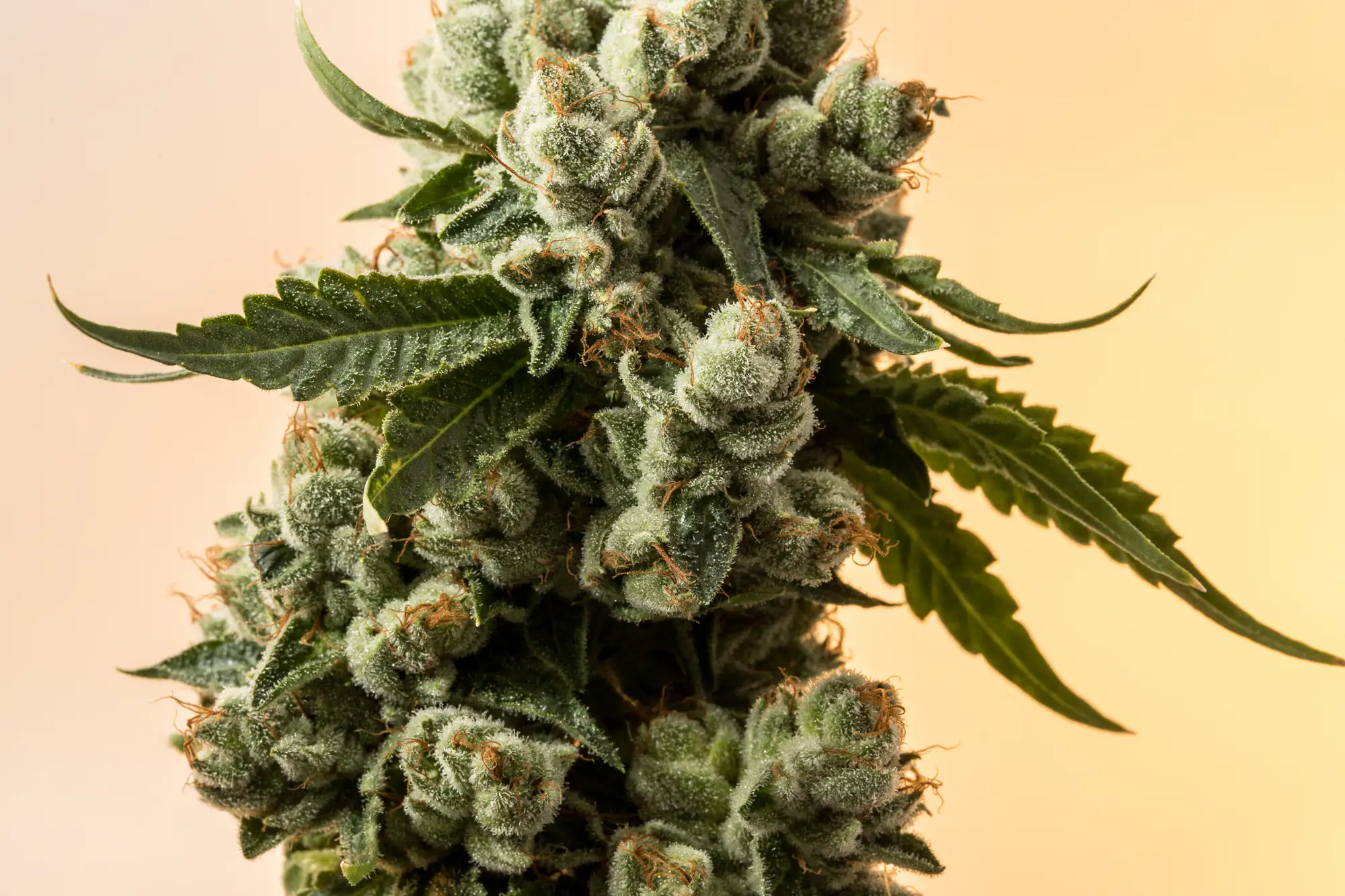
Terpenes are the aromatic compounds in cannabis, explaining why one strain smells like citrus and another smells like pine or earth. However, they do more than just smell different. Terpenes interact with cannabinoids to shape the overall effect of a product, a relationship often called the entourage effect.
Myrcene, for example, is one of the most common terpenes in cannabis and tends to produce a calming, body-relaxing effect. It is found in high concentrations in many strains marketed for sleep or muscle tension. Limonene has a citrusy aroma and is generally associated with mood elevation and stress relief, making it common in strains people reach for during social situations or creative work. Linalool, which also appears in lavender, has a relationship with anxiety reduction and sleep. Pinene, true to its name, smells like fresh pine and is linked to mental clarity and focus.
None of this is magic. Terpenes do not override the rest of the cannabinoid profile, but paying attention to terpenes gives you a useful framework for choosing a strain beyond indica for night and sativa for day, especially when shopping for a specific wellness outcome.
In New York's legal market, licensed products come with a Certificate of Analysis, which is a lab report listing THC and CBD percentages alongside the terpene profile. Bring Me Weed provides educational resources, newsletters, and brand lists that help you understand what to look for on labels before making your choices. If you prefer browsing physical displays and talking to knowledgeable staff in person, local storefronts like Token Cannabis Dispensary offer a great brick-and-mortar option.
When you are browsing, look for products where the terpene profile aligns with your goal. Trying to sleep? Look for high myrcene or linalool. Dealing with daytime stress? Limonene or linalool in a balanced THC and CBD ratio. Trying to stay focused? Pinene-forward strains with moderate THC. It takes practice, but once you start reading labels this way, the menu stops feeling overwhelming.
Find a licensed dispensary near you.
Licensed dispensaries across NYC & Long Island, with ratings, directions and phone numbers in one place.
Exploring Legal Cannabis Resources in Queens, Nassau County, and Long Island
New York legalized adult-use cannabis in March 2021 under the Marijuana Regulation and Taxation Act. Legal retail sales started in December 2022, and licensed operators have established retail and delivery infrastructure to expand access across the state, including into suburban areas like Nassau and Suffolk County where physical dispensary options continue to grow.
You do not need a medical card, but you do need to be 21 or older with a valid government-issued photo ID.
Researching your options online before purchasing helps you find the right product category, whether you prefer flower, edibles, or tinctures.
Understanding Licensed Cannabis Access in Forest Hills, Queens, and Nassau County, NY
Legal cannabis in New York is regulated by the Office of Cannabis Management, the state body overseeing licensed dispensaries and retailers. Operators subject to OCM authorization follow strict product testing standards, packaging requirements, and compliance protocols.
This matters because the unlicensed market remains active across Queens, Nassau County, and Long Island. New York's legal market continues to grow, but many people still encounter sources with no testing, labeling, or accountability for product ingredients. Unknown potency is a primary driver of bad experiences, because if you do not know how strong something is, dosing responsibly becomes difficult.
Every product in the regulated market originates from state-approved cultivators and undergoes rigorous safety screenings by independent laboratories. These third-party screenings confirm exact cannabinoid potencies and screen for contaminants so consumers can shop safely. Rather than operating as a storefront, delivery provider, or merchant, our digital platform connects you with curated brand roundups, community event schedules, and informative articles designed to make navigating the Empire State market straightforward.
How to Choose the Right Cannabis Product for Sleep, Stress, or Pain Relief
The most useful thing to know is to start with your goal rather than the product. Many people pick a strain they heard of or grab whatever has the highest THC percentage, only to wonder why it did not achieve their desired result. Working backward from your intended outcome makes the process predictable and effective.
If sleep is the goal, you are generally looking for products with higher CBD content, calming terpenes like myrcene or linalool, and moderate THC to help your body relax without keeping your mind active. Edibles are a good format for sleep because effects come on slower and last longer, aligning with a full night of rest. Start with a low dose, such as 5mg THC or less if you are new to edibles, and give it 90 minutes before deciding on next steps. Edibles are where people most commonly overdo it, as the delayed onset makes it feel like nothing is happening until everything happens at once.
For stress and anxiety, a balanced THC and CBD ratio tends to work better than high-THC alone. CBD counteracts anxiety-producing effects of THC, so a 1:1 product gives you calming benefits without the edge. Vapes or flower work faster than edibles, making them easier to titrate by taking a small amount, waiting 15 minutes, and assessing before continuing. That control is valuable when managing anxiety.
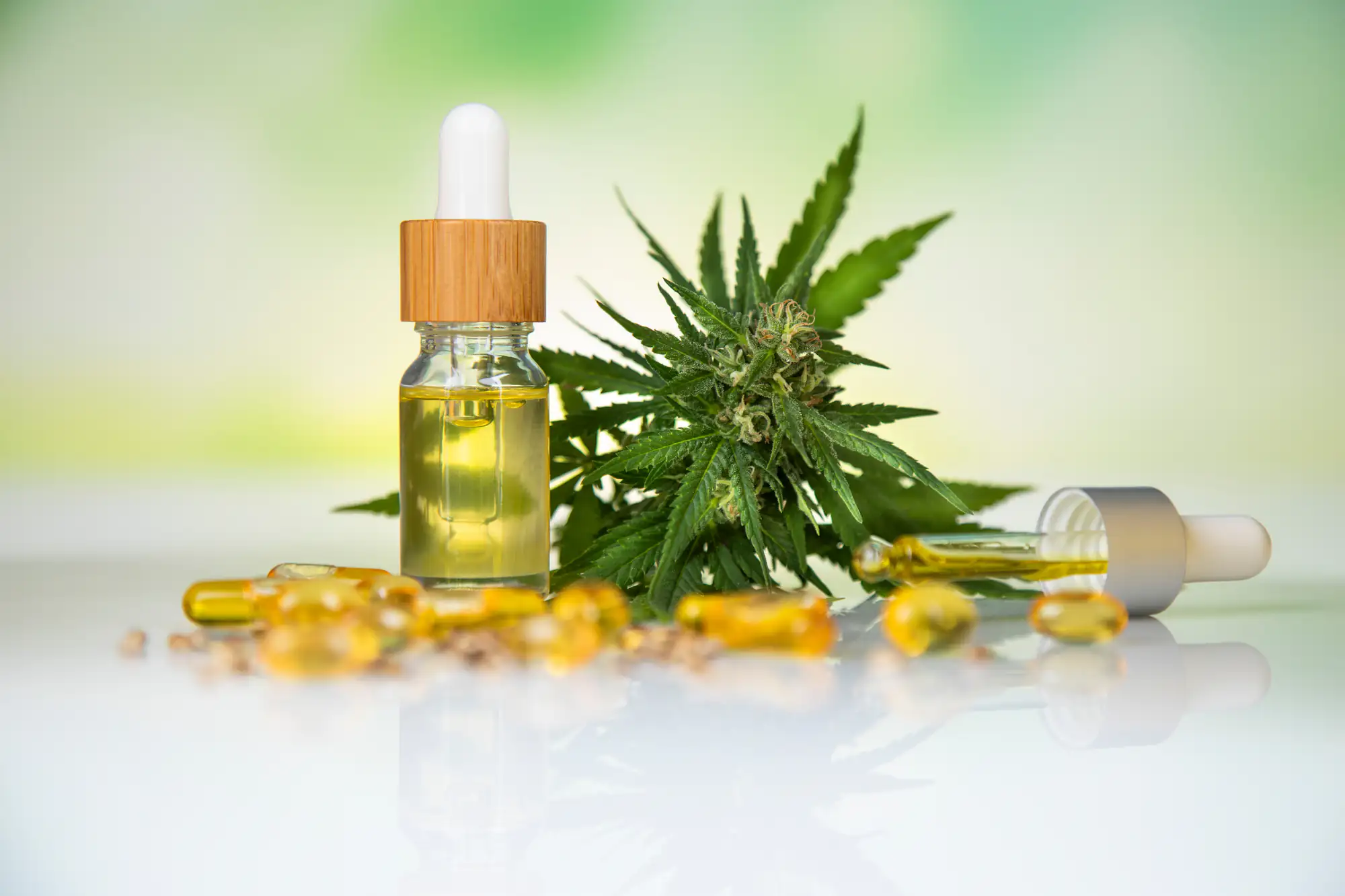
For pain relief, the format depends on the location of discomfort. Topicals, including cannabis-infused creams and balms, work well for localized pain like sore muscles or joint discomfort without producing psychoactive effects. For systemic pain, tinctures offer precise dosing and predictable onset times.
Documenting your experience helps immensely. Note what you took, the amount, and the outcome. Cannabis affects people differently based on body chemistry, tolerance, and food intake, so keeping notes helps you build a personal map of what works.
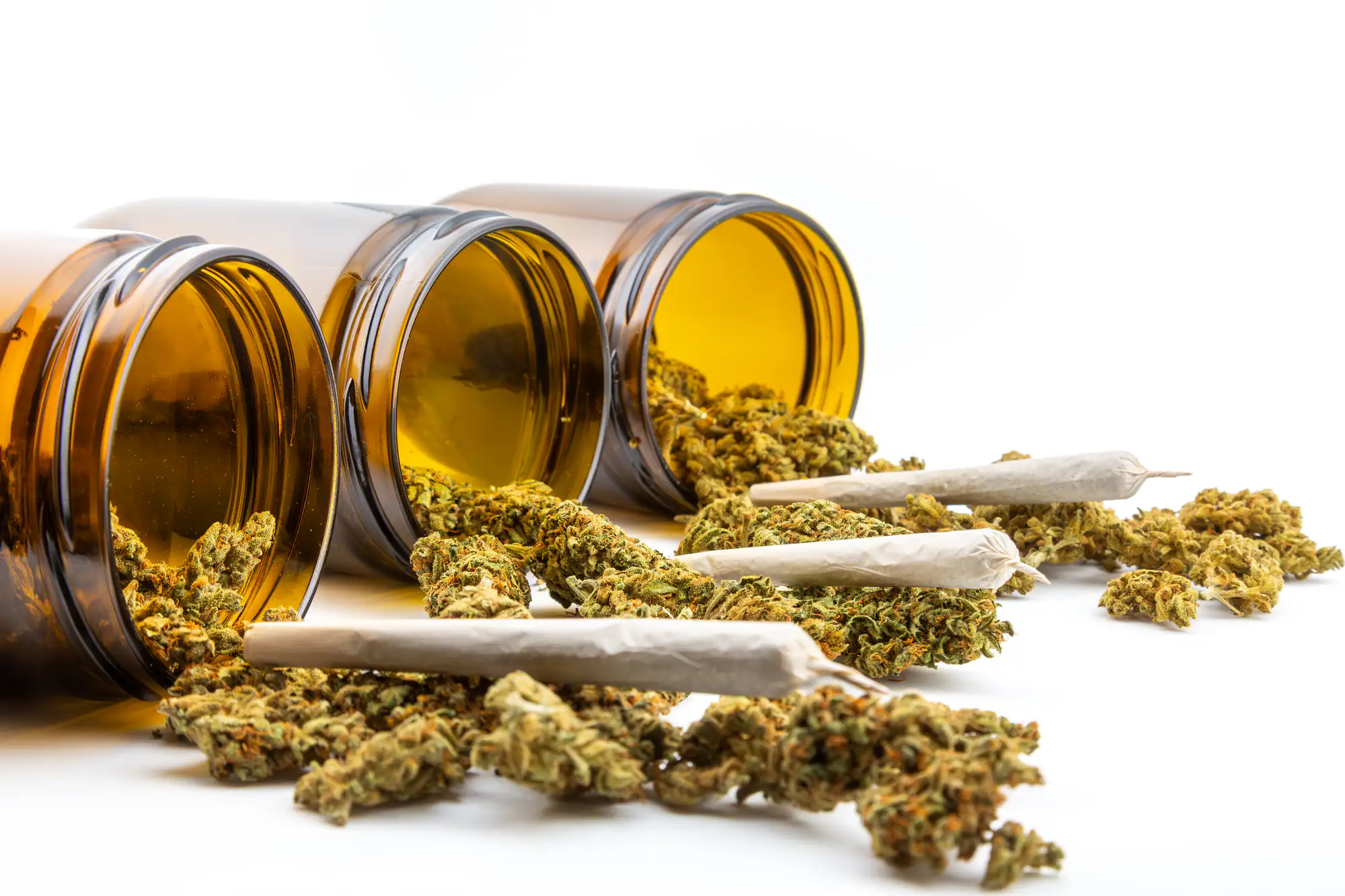
Finding Your Balance with Cannabis in Forest Hills, Queens, and Nassau County
Cannabis wellness is straightforward once you understand the basics. Most people in Forest Hills, Rego Park, Nassau County, and across Long Island figure this out over time, often after a bad experience or years of buying from unregulated sources where consistency is never guaranteed.
The legal market in New York offers transparency, allowing you to review lab reports, explore educational guides, and connect with licensed storefronts or delivery providers.
If you want to stop guessing and find what works for your wellness goals, explore the Bring Me Weed blog, check out our cannabis brand lists, and subscribe to our newsletter for reliable guidance across Queens, Nassau, Suffolk, Brooklyn, and Manhattan.
Liked this? Get the week's drops every Thursday.
New products, dispensary deals and events across NYC & Long Island. Free, short, and no fluff.